
🔍 Read the full analysis: Pasta E Ceci: The Chickpea Pasta Romans Crave On Cold Nights on Mad Tasting
TL;DR
Mad Tasting’s guide to pasta e ceci describes a Roman and Lazio home-style dish in which chickpeas and small pasta simmer together in a savory broth. Mashing some chickpeas and allowing pasta starch to thicken the liquid creates a hearty texture without cream; the guide also cautions that leftovers continue to absorb broth.
Mad Tasting has published a guide to pasta e ceci, a Roman- and Lazio-associated dish that simmers pasta and chickpeas together in savory broth. The guide explains how mashing some of the chickpeas and cooking small pasta in the pot builds a thick, comforting meal from pantry staples, while noting that the dish has no single fixed consistency or recipe.
Mad Tasting describes pasta e ceci—literally, pasta and chickpeas—as a home-style dish made with ingredients such as chickpeas, pasta, garlic and olive oil, often flavored with rosemary. The guide associates it with Rome and the Lazio region and places it in the tradition known as cucina povera: resourceful cooking based on affordable, everyday ingredients. These are the guide’s culinary context, not evidence that every Roman household makes the dish the same way.
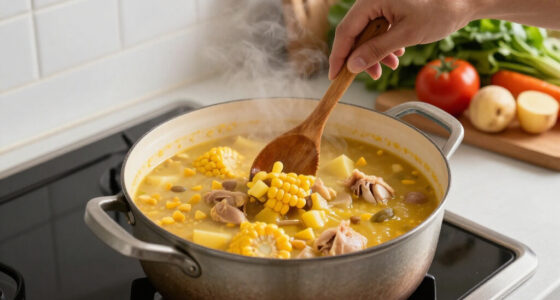
For texture, Mad Tasting recommends mashing some chickpeas against the side of the pot. According to the guide, they break down and thicken the broth, while starch released by the pasta helps the liquid cling to the remaining ingredients. The result can be soup-like or stew-thick, but the guide says it should stay loose enough to stir. It advises adding hot water or broth if the pot becomes too thick.
The guide suggests small pasta shapes such as ditalini for a spoonable bowl, while also listing broken spaghetti, small shells and maltagliati as options. Mad Tasting presents canned chickpeas as a quicker route; dried chickpeas need to be soaked and cooked until tender before the pasta is added. The source cautions against cooking dried chickpeas alongside quick-cooking pasta because the beans take longer and the pasta could become mushy.
Pasta E Ceci: The Chickpea Pasta Romans Crave On Cold Nights
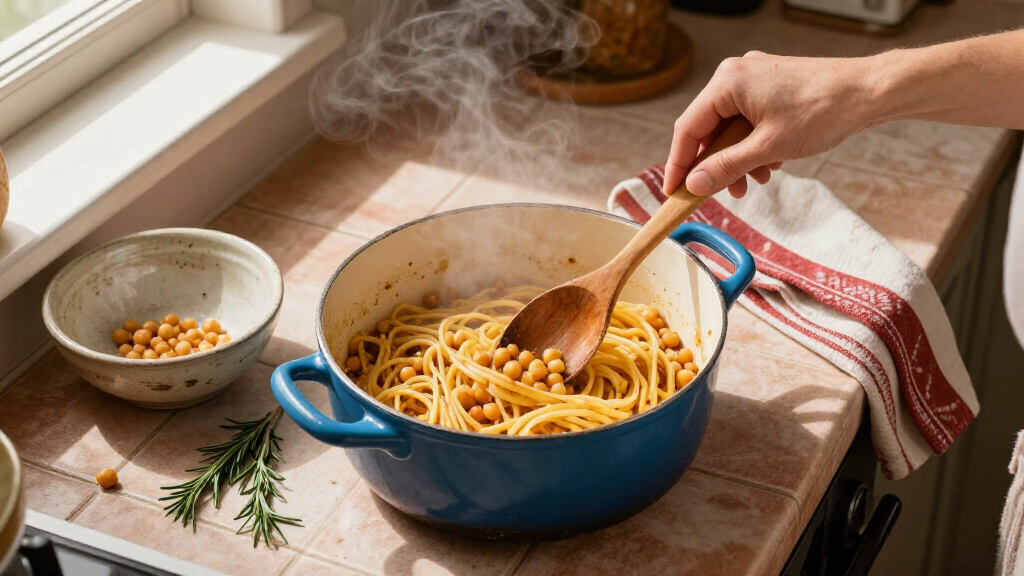
A warming bowl of pasta and chickpeas simmered in savory broth. Mad Tasting’s guide shows how a few simple techniques build a hearty texture, while leaving room for household variations.
Simple ingredients, flexible tradition
Pasta e ceci means “pasta and chickpeas.” The guide connects the dish with Rome and Lazio, while describing it as a family of home-style versions rather than one fixed recipe.
Everyday staples
Chickpeas, small pasta, garlic, olive oil and often rosemary make a filling base from cupboard ingredients.
Cucina povera
Resourceful cooking shaped by affordable ingredients and what is on hand—not a single official formula.
Season to taste
Tomato, anchovy or chili may appear in some versions. Rosemary is common in the guide’s examples; none is a universal requirement.
Let the pot do the thickening
The defining texture can range from soup-like to stew-thick. Aim for a broth that clings to the ingredients but stays loose enough to stir.
Build flavor
Warm garlic and olive oil; add rosemary or other chosen seasonings, then simmer the chickpeas in savory broth.
Mash a portion
Press some chickpeas against the pot’s side. They break down and add body to the broth.
Cook small pasta in the pot
Ditalini, small shells, maltagliati or broken spaghetti work. Their released starch helps the liquid cling.
Quick route or plan-ahead route
Both options fit the dish. The key is to have chickpeas tender before quick-cooking pasta goes into the pot.
Canned chickpeas
Quicker routeA convenient choice when you want a shorter path to a hot meal. Simmer them in the broth long enough to pick up flavor.
- Rinsing is optional; it can reduce canning liquid or salty taste.
- Mash some against the pot to help thicken the broth.
- Small pasta can cook directly in the simmering liquid.
Dried chickpeas
Plan aheadSoak and cook them until tender before adding the pasta. The guide advises against cooking both from dry together.
- Beans take longer than quick-cooking pasta.
- Adding pasta too early can leave it mushy while the chickpeas soften.
- Use some bean cooking liquid if it tastes good and is not too salty.
From pantry staples to a warm bowl
Use the source’s central method as a flexible sequence, then adjust liquid to suit the pasta and the way you like to serve it.
Choose chickpeas
Canned for speed, or dried and cooked tender ahead.
Season the pot
Start flavor with garlic, olive oil and chosen additions.
Simmer in broth
Let chickpeas take on the savory liquid.
Mash + add pasta
Break down some chickpeas; cook small pasta in the pot.
Check and serve
Add hot water or broth if the bowl tightens up.
What the guide tells us
Mad Tasting offers practical cooking guidance, not a report of a new event or an official recipe ruling.
What is pasta e ceci?
A home-style Italian dish of pasta and chickpeas together in savory broth, associated in the guide with Rome and Lazio.
How does it thicken without cream?
Mashing chickpeas adds body; starch from pasta cooked in the broth helps the liquid cling to the ingredients.
Can dried chickpeas cook with the pasta?
The guide says to cook dried chickpeas until tender first. Their cooking time is much longer than pasta’s.
Why does it thicken as it sits?
Pasta keeps absorbing broth after cooking. Add hot water or broth if needed before serving or reheating.
Is there one definitive Roman recipe?
The source presents household variations and identifies no official recipe authority. Treat its method as one practical account, not proof that every Roman cook prepares the dish the same way. The supplied material gives no publication date, named chef, precise quantities or cooking times.
A Flexible Meal From Pantry Staples
Mad Tasting’s guide highlights the dish’s practical appeal: it can make a filling hot meal from long-lasting cupboard ingredients, with canned chickpeas offering a shorter cooking route. The guide connects that flexibility to cucina povera, where cooks adapt meals to available ingredients and time rather than follow a single formal recipe.
The guide also offers a technique for home cooks: chickpeas can provide both the main substance and some of the body, so cream is not needed to make the broth feel hearty. Mad Tasting notes that texture changes as the dish sits. Pasta continues to take up liquid after cooking, so the guide says extra broth or hot water may be needed before serving or reheating.
Products Worth Considering

Bushwick Kitchen, Bees Knees Spicy Honey, Gluten Free, 382g

Hank Sauce Honig Habanero Hot Sauce Versatile Hot Pepper Sauce mit frischem Koriander, Knoblauch Alter Peppers & Honey Extra-Hot Habanero Sauce Multi Gourmet Sa 1 Flasche
As an affiliate, we earn on qualifying purchases.
Roman Roots and Household Variations
Mad Tasting places pasta e ceci within Roman and Lazio cooking and describes it as one member of a wider Italian tradition of pairing pasta with legumes. The guide presents it as a family of home-style versions, rather than a recipe with one official ingredient list. It lists tomato, rosemary, anchovy and chili as possible additions, while noting that some cooks keep the seasoning simpler. These are variations cited by the guide, not requirements for every version.
The source’s central method is to build flavor in the pot, simmer chickpeas in broth, mash a portion, then cook small pasta in the liquid. Mad Tasting distinguishes between canned chickpeas for convenience and dried chickpeas for cooks planning ahead. For dried beans, the guide says they should already be tender before the pasta goes in; their cooking liquid can replace some broth if it tastes good and is not excessively salty.
No Single Recipe or Texture
The supplied source is a cooking guide, not a report of a newly announced event or a documented change in how the dish is served. It provides no publication date, named chef, restaurant, or official recipe authority, so the timing and authorship details cannot be established from the material provided.
Mad Tasting does not identify one definitive Roman version. Its guide describes differences in thickness and optional ingredients but does not quantify how common particular variations are. Readers should treat the recipe guidance as one practical account of the dish, not a claim that all Roman cooks prepare it identically.
Adjust the Broth Before Serving
Mad Tasting’s source announces no follow-up or scheduled next development. For readers making the dish, the guide’s practical advice is to check the consistency near the end of cooking and add hot water or broth as needed. Because pasta continues absorbing liquid as it rests, the guide says to check again when serving or reheating rather than assume the pot will stay at its stovetop thickness.
For a quicker meal, the guide suggests canned chickpeas; for dried chickpeas, it advises planning time to soak and cook them separately before adding pasta. The source gives no precise cooking times, ingredient quantities or food-storage instructions, so cooks should use reliable package directions and standard food-safety practices for preparation and leftovers.
Key Questions
What is pasta e ceci?
Pasta e ceci means pasta and chickpeas. Mad Tasting describes it as a home-style Italian dish, closely associated in the guide with Rome and Lazio, in which pasta and chickpeas are served together in savory broth.
How does the dish become thick without cream?
Mad Tasting’s guide says mashing some chickpeas into the broth adds body, while starch from the cooking pasta helps thicken the liquid. It says the result should remain loose enough to stir, rather than becoming a smooth purée.
Can I use canned chickpeas?
Yes. Mad Tasting recommends canned chickpeas as a quicker option. The guide says rinsing them is optional and may remove some canning liquid or salty taste; simmer them in the broth long enough to take on the other flavors.
Can dried chickpeas cook in the pot with the pasta?
Mad Tasting advises against it. The guide says dried chickpeas take much longer to soften than pasta, so cook them until tender first, then add the pasta to the dish.
Why does pasta e ceci get thicker after cooking?
Mad Tasting’s guide explains that the pasta continues absorbing broth as it rests. It recommends starting with enough liquid and loosening the dish with hot water or broth if it thickens too much before serving.
Source: Mad Tasting