

🔍 Read the full analysis: Prosecco Is Not One Thing: Understanding Valdobbiadene, Cartizze, And Col Fondo on Mad Tasting
TL;DR
Prosecco is a broad family of wines, not a single type. Differences in origin and method create a wide range of flavors and styles, from clear tank-fermented to cloudy bottle-refermented versions.
Prosecco is not a single wine but a family of styles that vary widely based on geographic origin and production method, making it essential for consumers to understand these differences to select the right bottle.
Prosecco’s broad geographic area includes DOC and DOCG classifications, with key zones like Valdobbiadene and Cartizze offering specific site-based distinctions. The primary grape, Glera, is used across styles, but the fermentation process and origin determine the wine’s clarity, flavor, and sweetness. Tank-fermented Prosecco, often labeled as Brut or Extra Dry, tends to be clear, bright, and crisp, emphasizing fruit and floral notes. In contrast, bottle-refermented styles such as Col Fondo retain yeast sediment, resulting in a cloudy appearance and complex, savory flavors with bread dough and herbal nuances.
Recent discussions in the wine community highlight the confusion caused by labels and classifications, with some consumers assuming DOCG automatically means higher quality, when in fact, production method and vineyard site are equally important. For example, a DOCG hillside wine might be more rustic or cloudy if it’s bottle-refermented, while a DOC might be perfectly clear and refined due to tank fermentation. Understanding these distinctions helps consumers match their preferences with the appropriate style, whether for casual sipping or a more nuanced tasting experience.
Prosecco Is Not One Thing: Valdobbiadene, Cartizze & Col Fondo
Prosecco is a broad family of wines, not a single type. Differences in geographic origin and production method create a wide spectrum of flavors and styles — from clear, tank-fermented sparklers to cloudy, bottle-refermented Col Fondo. Understanding these distinctions is essential for choosing the right bottle.
One Name, Many Wines
Prosecco’s broad geographic area spans DOC and DOCG classifications, with key zones like Valdobbiadene and Cartizze offering site-based distinctions. The primary grape, Glera, is used across all styles — but fermentation process and origin determine clarity, flavor, and sweetness.
Valdobbiadene
The most prestigious hillside DOCG zone, recognized as UNESCO World Heritage in 2019. Steep slopes and unique terroir produce site-expressive sparkling wines with stricter production rules.
Cartizze
A tiny, prestigious “Grand Cru” hill within Valdobbiadene. Its specific vineyard site commands the highest regard — proof that origin matters as much as classification.
Col Fondo
Bottle-refermented with yeast sediment left in the bottle. The result: a deliberately cloudy appearance and complex, savory flavors of bread dough and herbs.
Tank-Fermented vs. Col Fondo
The fermentation method — not the label alone — determines what lands in your glass. Tank-fermented Prosecco, often labeled Brut or Extra Dry, is clear, bright, and crisp. Bottle-refermented styles are rustic, cloudy, and savory.
| Attribute | Tank-Fermented (Charmat) | Col Fondo (Bottle-Refermented) |
|---|---|---|
| Appearance | ✓ Crystal clear and bright | ~ Intentionally cloudy with sediment |
| Aroma & Flavor | Fruit and floral notes, crisp finish | Bread dough, herbal nuances, savory depth |
| Typical Labels | Brut, Extra Dry | Col Fondo, sometimes “Sui Lieviti” |
| Style Character | Refined, casual sipping | Rustic, artisanal, nuanced tasting |
| Cloudiness = Fault? | ✗ Cloudiness would be unusual | ✓ No — sediment is intentional |
| Available In | Both DOC and DOCG | Both DOC and DOCG |
Does DOCG Automatically Mean Better?
Recent discussions in the wine community highlight the confusion caused by labels. Some consumers assume DOCG guarantees higher quality — but production method and vineyard site are equally important.
A Cloudy DOCG
A DOCG hillside wine might appear rustic or cloudy if it’s bottle-refermented — the classification says nothing about fermentation style. The law defines origin, not method.
A Crystal-Clear DOC
A DOC from the broader zone might be perfectly clear and refined thanks to tank fermentation. Classification alone does not predict what’s in the bottle.
Quality depends on vineyard site, producer skill, and production method — not the acronym on the label. Match your preference to the style, not the classification.
How Prosecco Got Its Range
Prosecco’s popularity surged in recent decades. Traditionally made in tanks to preserve bright fruit aromas, the bottle-refermented Col Fondo method has been revived by producers seeking a rustic, artisanal style — reflecting a broader trend toward transparency and site-specific expression.
Broad DOC Zone
Large area across Veneto and Friuli-Venezia Giulia fuels global popularity.
Hillside DOCG
Valdobbiadene and Rive zones gain recognition for steep-slope terroir.
UNESCO Status
2019: Valdobbiadene’s hills named a World Heritage site.
Col Fondo Revival
Producers return to bottle refermentation for rustic, complex styles.
Where Labeling & Education Go Next
Producers and industry groups are likely to push for clearer labeling that separates origin, fermentation method, and style. More producers may adopt traditional methods, challenging the perception that only clear, tank-fermented wines are authentic or high quality.
“A DOCG is not automatically superior to a DOC if the latter uses traditional methods or better vineyard practices. Quality lives in the site, the producer, and the method.”
Insight · Based on reporting from Mad TastingYour Prosecco Questions, Answered
What is the main difference between Prosecco DOC and DOCG?
Prosecco DOC covers a broad area with less strict regulations, while DOCG is a higher classification for specific, often hillside, subregions like Valdobbiadene, with stricter rules on production and quality.
What does Col Fondo mean on a Prosecco label?
Col Fondo indicates the wine is bottle-refermented with yeast sediment remaining in the bottle, resulting in a cloudy appearance and a more rustic, complex flavor profile.
Can cloudy Prosecco be faulted?
No. Cloudiness in Col Fondo and similar styles is intentional and part of the traditional production process, not a fault.
How do I choose between tank-fermented and Col Fondo?
Choose by taste: tank-fermented offers bright, crisp fruit and floral notes; Col Fondo delivers savory, bread-like complexity with a rustic feel.
Does higher classification mean better quality?
Not necessarily. Quality depends on vineyard site, producer skill, and production method — a DOCG is not automatically superior to a well-made DOC.
Why Differentiating Prosecco Styles Matters
Recognizing the differences in origin and fermentation method allows consumers to select Prosecco that matches their taste and occasion, rather than relying solely on labels or price. It also clarifies misconceptions, such as equating cloudiness with fault or assuming DOCG guarantees a specific style. This knowledge empowers buyers to explore a broader spectrum of Prosecco, appreciating its diversity and avoiding misjudging less familiar styles like Col Fondo or Rive wines.

Champagne Chassenay d-Arce Cuvee Selection NV 0.75 L Flasche
- Brand: Champagne Chassenay d'Arce
As an affiliate, we earn on qualifying purchases.
As an affiliate, we earn on qualifying purchases.
Prosecco’s Geographic and Production Evolution
Prosecco’s popularity surged in recent decades, with the DOC classification covering a large area across Veneto and Friuli-Venezia Giulia. The most prestigious wines come from Valdobbiadene, a hillside zone recognized as a UNESCO World Heritage site in 2019, known for steep slopes and unique terroir. Traditionally, Prosecco was made using tank fermentation, which preserves bright fruit aromas. However, bottle refermentation—creating cloudy, naturally sparkling wines called Col Fondo—has gained popularity among producers seeking a rustic, artisanal style. This evolution reflects a broader trend toward transparency and diversity in Italian sparkling wines, with some producers emphasizing site-specific expressions and traditional methods.

Valdo Marca Oro Valdobbiadene Prosecco Superiore DOCG – 6×750 ml
- Color: Light straw yellow with gold reflections
- Grape Variety: 100% Glera
- Aroma: Fruity scent with apple, acacia, honey
As an affiliate, we earn on qualifying purchases.
As an affiliate, we earn on qualifying purchases.
Unresolved Questions About Prosecco Classifications
While the distinctions between origin and method are clearer, some aspects remain debated. For example, the precise impact of vineyard slope on flavor profiles varies among producers, and the legal definitions of DOCG versus DOC do not specify fermentation style. Additionally, consumer perceptions about quality and authenticity often conflate appearance and classification, leading to confusion. The growing popularity of bottle-refermented styles like Col Fondo raises questions about standardization, labeling practices, and how to better inform buyers about what they’re purchasing.

Col Vetoraz – Prosecco Superiore Millesimato Docg Dry [ 6 FLASCHEN x 750ml ]
As an affiliate, we earn on qualifying purchases.
As an affiliate, we earn on qualifying purchases.
Future Trends in Prosecco Labeling and Education
Producers and industry groups are likely to push for clearer labeling that separates origin, fermentation method, and style, helping consumers make informed choices. Educational initiatives, including tastings and guides, are expected to increase awareness of the diversity within Prosecco. Additionally, more producers may adopt traditional methods like bottle refermentation, expanding the range of flavors available and challenging perceptions that only clear, tank-fermented wines are authentic or high quality. Regulatory bodies might also refine classifications to better reflect production nuances, fostering a more nuanced appreciation of this complex family of wines.
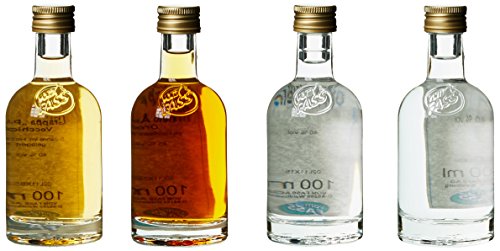
VOM FASS Geschenkset "Grappa zum Probieren" (4 x 100 ml)
- Set Contents: Four 100ml Grappa varieties
- Grappa Prosecco: 40% alcohol, Prosecco flavor
- Grappa di Recioto Amarone: 45% alcohol, Amarone style
As an affiliate, we earn on qualifying purchases.
As an affiliate, we earn on qualifying purchases.
Key Questions
What is the main difference between Prosecco DOC and DOCG?
Prosecco DOC covers a broad area with less strict regulations, while DOCG is a higher classification for specific, often hillside, subregions like Valdobbiadene, with stricter rules on production and quality.
What does Col Fondo mean on a Prosecco label?
Col Fondo indicates that the wine is bottle-refermented with yeast sediment remaining in the bottle, resulting in a cloudy appearance and a more rustic, complex flavor profile.
Can cloudy Prosecco be faulted?
No, cloudiness in Col Fondo and similar styles is intentional and part of the traditional production process, not a fault.
How do I choose between a clear tank-fermented Prosecco and a cloudy Col Fondo?
Choose based on your taste preference: tank-fermented Prosecco offers bright, crisp fruit and floral notes, while Col Fondo provides more savory, bread-like, and complex flavors with a rustic feel.
Does higher classification mean better quality?
Not necessarily; quality depends on vineyard site, producer skill, and production method. A DOCG is not automatically superior to a DOC if the latter uses traditional methods or better vineyard practices.
Source: Mad Tasting