
TL;DR
A Good Housekeeping dietitian recommends building a higher-protein sandwich around fillings such as chicken, tuna, eggs or chickpeas, then adding vegetables and fiber-rich bread. The report cites CDC data identifying sandwiches as a major contributor to Americans’ protein intake, but provides no figures or details about the data in the supplied material.
A Good Housekeeping dietitian has outlined a simple approach to making a more protein-rich sandwich: start with a substantial protein filling, then add vegetables and fiber-rich bread or a wrap. The report also cites CDC data describing sandwiches as a major contributor to Americans’ protein intake, although the figures and timing of that data are not included in the material provided.
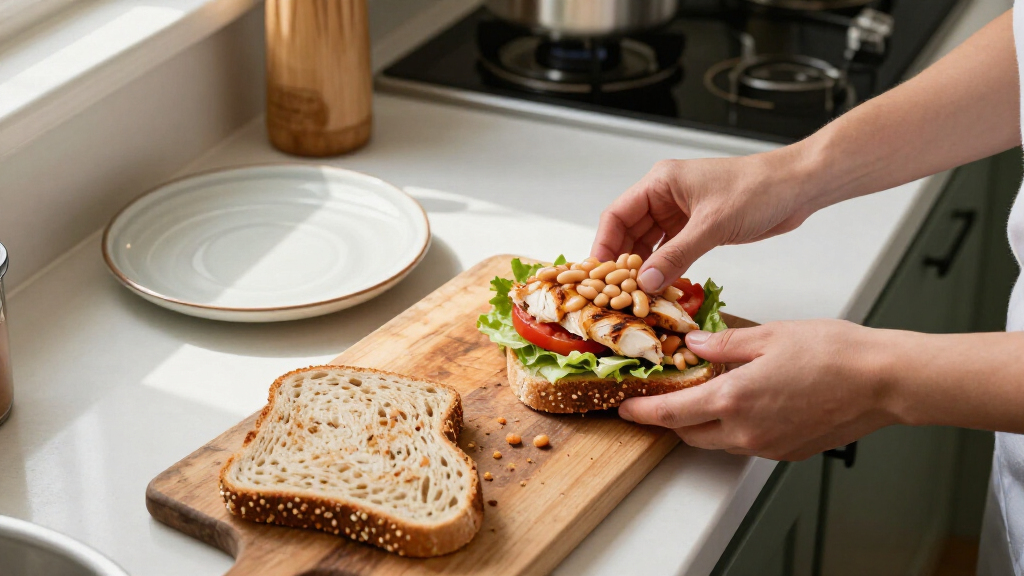
The dietitian’s main recommendation is to build the sandwich around a protein-rich filling rather than relying on a specialty product. Chicken and tuna salad are among her preferred options, and she says she sometimes swaps mayonnaise for Greek yogurt or cottage cheese. Chopped or grated hard-boiled eggs can also be mixed into the salad to add more protein.
For other fillings, the report names turkey, steak, tuna and eggs, as well as plant-based chickpeas. To make chickpea salad, the dietitian describes mashing chickpeas with lemon juice, salt, pepper and plain Greek yogurt; vegan mayonnaise is an alternative. Dill, celery, shallots and a small amount of Dijon mustard add flavor. Chickpeas provide both plant-based protein and fiber, according to the report.
The suggested additions include avocado, cucumber, tomato and leafy greens such as arugula. The dietitian recommends considering higher-fiber bread or wraps, including sprouted-grain bread, and says cheese or a high-protein wrap can be another way to add protein. Lentil or bean soup can accompany the sandwich. These are recommendations from the report, not a single prescribed recipe or a quantified nutrition plan.
A Familiar Lunch With More Protein
The advice focuses on a familiar meal rather than requiring people to build lunch around protein bars, shakes or other products marketed specifically for protein. Sandwich fillings and toppings can be adapted to ingredients already available, including leftovers, eggs and beans. That flexibility may be useful for readers seeking a more filling or balanced lunch, though the report does not compare the cost, nutrition or satiety of its suggested combinations.
The recommendations also stress that protein is only one part of the meal. The dietitian pairs protein sources with vegetables, fiber, healthy fats and complex carbohydrates, describing the result as more balanced and satisfying. Individual protein needs vary, and the report does not give a target amount for a sandwich or recommend a particular daily intake.
The Report’s Sandwich Formula
The Good Housekeeping report begins with a broad claim attributed to new CDC data: sandwiches are among the biggest contributors to protein intake in the United States. The supplied text does not identify the study, its publication date, the survey period, the amount of protein associated with sandwiches or how the CDC categorized them. Those details are needed to assess the claim’s scope.
The article’s practical formula has three parts: choose a filling such as chicken, tuna, eggs or chickpeas; add produce such as greens, tomato and cucumber; and select bread or a wrap with fiber. It also suggests flavor and texture additions, including avocado and cheese. The report presents these as the dietitian’s personal approach and options for readers, not as findings from a controlled nutrition study.
CDC Figures Are Not Provided
The supplied report does not provide the CDC data’s numbers, study name, collection period or comparison baseline. It is not possible from this material to quantify how much protein sandwiches contribute, compare sandwiches with other foods or determine whether the data reflects a recent change.
The report also does not give protein totals for its example sandwiches. Amounts would depend on serving sizes, ingredients and brands, including the type and quantity of bread, filling, cheese and spreads. The suggestions should not be read as a guarantee that every version will meet a particular nutrition target.
How Readers Can Apply the Advice
Readers can use the report’s suggestions as a starting point: choose a protein filling, add vegetables, and consider a bread or wrap with more fiber. Those wanting to compare sandwiches more precisely would need ingredient quantities and nutrition information for the products they use. The supplied material does not announce a follow-up study or further reporting, and it gives no specific next milestone.
Key Questions
What is the dietitian’s main tip for a high-protein sandwich?
Start with a protein-rich filling, such as chicken, tuna, eggs or chickpeas, then build around it with vegetables and bread or a wrap.
What can replace mayonnaise in chicken or tuna salad?
The dietitian suggests Greek yogurt or cottage cheese. For chickpea salad, the report says vegan mayonnaise can be used instead of Greek yogurt.
Which plant-based filling does the report recommend?
It describes smashed chickpea salad with lemon juice, seasoning and either plain Greek yogurt or vegan mayonnaise, plus additions such as dill, celery, shallots and Dijon mustard.
Does the report give a specific protein target?
No. It offers ingredient ideas but does not provide a protein amount per sandwich or a daily target. Nutrition totals depend on portions and the products used.
What CDC data does the article cite?
The report says CDC data identifies sandwiches as a major contributor to Americans’ protein intake. The supplied material does not include the figures, study details or time period.
Source: rss