
TL;DR
A Food Safety News report published Oct. 28 outlines precautions for trick-or-treat candy, food allergies, choking hazards, party food and pets. It says deliberate contamination of treats by strangers is exceedingly rare; families should still discard suspicious items and report credible concerns.
Food Safety News published Halloween safety guidance on Oct. 28, advising families to inspect treats after trick-or-treating and hosts to follow food-handling precautions. The report says food allergies, choking hazards and foodborne illness are more common concerns than deliberate contamination of candy by strangers, which it describes as exceedingly rare.
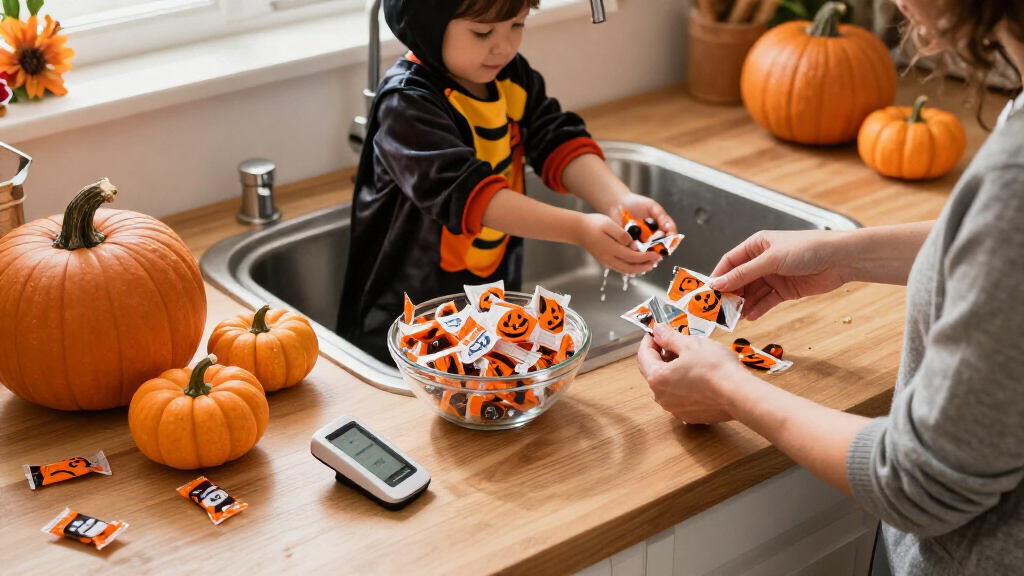
The U.S. Food and Drug Administration recommends that parents wait until children return home before checking their candy, according to the report. Adults should look for torn or punctured wrappers, discoloration or other signs of damage and discard anything that appears suspicious. The report also advises caution with homemade items that have no ingredient label, particularly treats from people the family does not know.
Parents should read labels for potential allergens and remove unsafe items from a child’s bag. For very young children, hard candy, gum and small toys can pose choking risks. Washing hands before eating and serving a meal or snack before trick-or-treating are additional steps. The report points to the Teal Pumpkin Project, run by Food Allergy Research & Education, where participating homes offer non-food items such as stickers or glow sticks for children who cannot safely eat some or all candy.
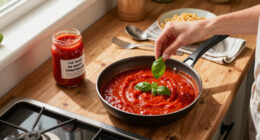
For parties, the report recommends serving pasteurized cider and juice, keeping perishable foods refrigerated until serving, and not leaving them at room temperature for more than two hours—or one hour when temperatures exceed 90 degrees Fahrenheit. Hosts should cook food to safe internal temperatures using a food thermometer, separate raw meat and seafood from ready-to-eat foods, wash hands and preparation surfaces, and ask guests about allergies. Raw cookie dough and batter should not be eaten because uncooked flour and eggs can carry harmful bacteria.
Common Risks at Halloween Gatherings
The guidance focuses attention on hazards families and hosts can address directly. Allergens and choking risks can affect children as they sort or eat treats, while foods left unrefrigerated or prepared with poor separation can expose party guests to foodborne illness. Checking labels, keeping dishes at safe temperatures and supervising young children can reduce those risks.
Pets also need protection: the report warns that chocolate and xylitol, which may be found in sugar-free candy and gum, can be toxic to animals. Candy bowls and treat bags should be kept out of reach. If a pet eats a potentially toxic item, the report advises contacting a veterinarian or animal poison control service promptly.
Products Worth Considering

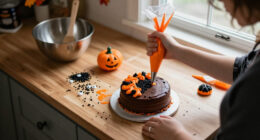
Halloween-Ausstechformen-Set – 3 Farben, Zuckerguss-Tuben, 4 einzigartige Spritztüllen, 3 Halloween-Ausstechformen und Streusel – Orange, Schwarz und Weiß Zuckerguss-Set für Kekse, Kuchen und Cupcakes
Komplettes Halloween-Dekorationsset: Alles, was Sie brauchen, um gruselige Halloween-Leckereien in einem praktischen Set zu kreieren. Enthält 3 Tuben…
As an affiliate, we earn on qualifying purchases.
Why Candy Tampering Fears Persist
The report says sociologist Joel Best of the University of Delaware has studied Halloween candy-tampering reports for decades and found no verified case of a child being killed or seriously injured by a stranger deliberately contaminating a trick-or-treat treat. It says many reports involved hoaxes, accidents or causes that were incorrectly attributed to tampering.
A notorious exception in Halloween history was the 1974 death of 8-year-old Timothy O’Bryan in Texas after he ate cyanide-laced candy. His father, Ronald Clark O’Bryan, was convicted of murder in a scheme involving life-insurance money and was executed in 1984. The report notes that the case involved a family member, not a stranger targeting children. It also distinguishes the 1982 Tylenol cyanide murders, which helped spur federal action on product tampering, from Halloween candy cases.
“Food allergies, choking hazards and foodborne illness are more common concerns for families celebrating Halloween.”
— Food Safety News
What the Safety Guidance Cannot Predict
The report does not provide new surveillance data or a current count of Halloween-related foodborne illnesses, allergic reactions or choking incidents. Its assessment that stranger tampering is exceedingly rare reflects the research it cites; it does not mean a damaged package should be ignored. Suspicious treats should be discarded, and credible concerns should be reported to law enforcement.
Whether a specific candy or food is safe depends on its packaging, ingredients, handling and the person or animal exposed. The report does not offer a complete list of allergens or a single internal cooking temperature for every dish, so hosts should check product labels and use food-safety guidance suited to each food.
Steps Before Halloween Night
Before trick-or-treating, families can plan a candy check at home, review allergy needs and remove small items from the reach of young children. Hosts can ask guests about allergies, prepare foods separately where needed, and arrange cold and hot dishes so they do not remain at unsafe temperatures.
Households taking part in the Teal Pumpkin Project can set out non-food treats and display a teal pumpkin to signal their availability. Pet owners should store candy securely and contact a veterinarian or animal poison control service if an animal eats chocolate, xylitol or another potentially toxic item.
Key Questions
Should parents inspect Halloween candy before trick-or-treating?
The FDA recommends waiting until children get home. Then check for damaged wrappers, pinholes, discoloration or other signs that a treat may have been tampered with, and discard suspicious items.
How common is deliberate candy tampering by strangers?
Food Safety News says such cases are exceedingly rare. It cites sociologist Joel Best’s research, which found no verified case of a child being killed or seriously injured by a stranger deliberately contaminating a treat collected while trick-or-treating.
How long can party food sit out?
The report says perishable foods should not remain at room temperature for more than two hours, or more than one hour when temperatures exceed 90°F.
What Halloween foods can be dangerous for pets?
Chocolate and xylitol-containing candy or gum can be toxic, particularly to dogs. Keep treats away from pets and contact a veterinarian or animal poison control service if an animal eats a potentially toxic item.
Source: foodsafetynews.com