🔍 Read the full analysis: Piadina Romagnola: The Flatbread You Can Make On A Weeknight on Mad Tasting
TL;DR
Piadina Romagnola is a thin, unleavened flatbread from Romagna in northern Italy, cooked on a hot flat surface and folded around fillings. A home version uses flour, water, salt and lard or olive oil; exact proportions and rest times vary, and a homemade bread does not automatically qualify for the protected regional designation.
A recipe guide from Mad Tasting presents Piadina Romagnola, a thin flatbread from Romagna, as a practical weeknight meal: its unleavened dough needs no yeast or proofing, and the rounds cook in a skillet in a few minutes per side. Made with flour, water, salt and lard or olive oil, the warm bread can be folded around cheese, greens, prosciutto or vegetables.
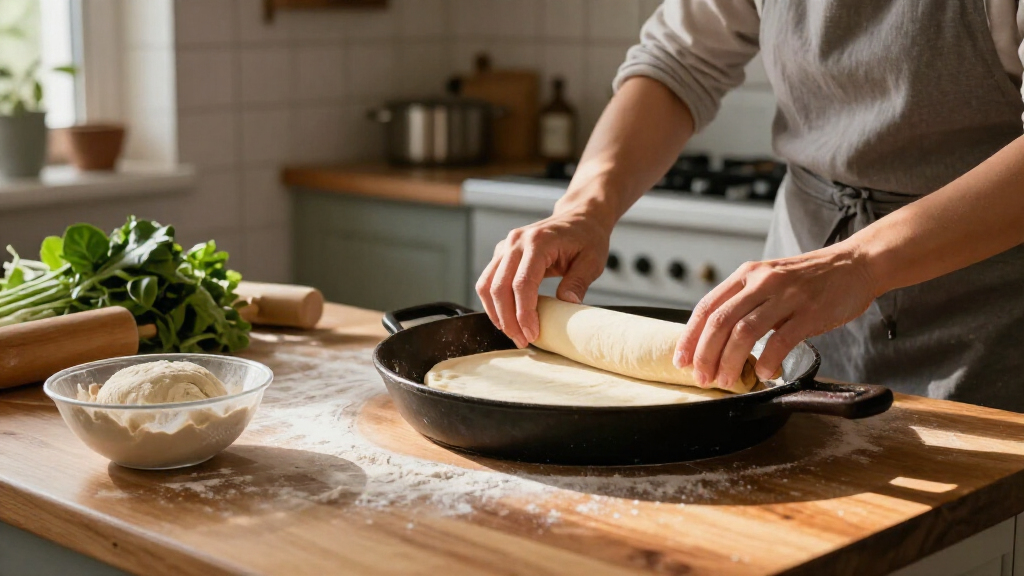
The method calls for mixing the flour, water, salt and chosen fat, then kneading until the dough feels smooth and supple. A covered rest helps it relax so it rolls more easily; the guide does not prescribe a single exact rest time or set of proportions, noting that recipes vary. If the dough springs back during rolling, a little more rest may help.
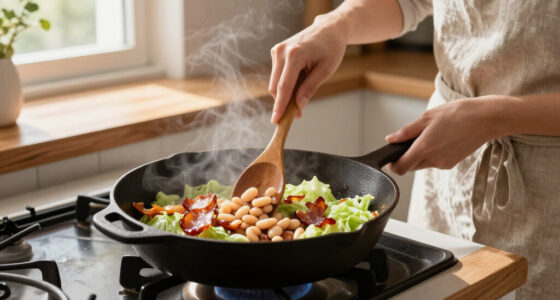
Divide the dough into equal portions and roll them into even rounds. Cook each in a dry skillet or griddle over medium to medium-high heat for a few minutes per side, until light brown spots and small bubbles appear. The guide advises stacking the cooked breads under a clean towel to keep them warm and pliable. The aim is a flexible flatbread, not a crisp cracker.
For a traditional-style filling, the guide suggests squacquerone cheese, greens and prosciutto. Seasonal vegetables offer a meat-free alternative. Because piadina has no pocket, fillings sit against the bread and the round is folded around them; a modest amount can make it easier to handle.
Piadina Romagnola A weeknight flatbread
This yeast-free flatbread from Romagna cooks in a skillet and folds around fillings for a flexible meal.
A simple skillet method
Mix, rest, roll and cook the dough in a dry pan until lightly browned and bubbled.
Combine flour, water, salt and lard or olive oil; knead until smooth and supple.
Cover the dough, let it relax, then divide and roll into even rounds.
Cook each round for a few minutes per side; stack under a clean towel.
Choose your style
Regional thickness and recipe choices vary.
- Lard is common in traditional recipes.
- Olive oil is a practical home alternative.
- Some recipes add baking soda or baking powder.
- Rimini-style piadina is thinner.
- Inland versions can be thicker and softer.
- There is no single thickness across the region.
Fold around the filling
Piadina has no pocket, so fillings sit against the bread.
Cheese, greens and prosciutto
The guide suggests squacquerone, greens and prosciutto for a classic-style filling.
Seasonal vegetables
Use vegetables for a meat-free option, with a modest filling for easier folding.
A Skillet Bread for Busy Evenings
The bread’s short, yeast-free preparation makes it a practical option for cooks who want a fresh meal without scheduling dough to rise or heating an oven. The dough can rest while vegetables are cut and fillings are set out, then the breads cook one by one in a pan. That makes the recipe a useful format for a flexible dinner: the flatbread stays much the same while fillings can change with the season or what is on hand.
The distinction between a home-inspired piadina and a product carrying the regional name also matters. The source says Piadina Romagnola / Piada Romagnola has a European Union geographical designation with requirements tied to its regional identity and production. Making a similar flatbread at home does not, by itself, make it eligible for that protected designation.
Products Worth Considering

Big Box O' Rub Variety Pack – Premium BBQ Rub – 5 Bottles

Gift Basket Village King of The Grill Gift Basket for Men
As an affiliate, we earn on qualifying purchases.
Romagna’s Folded Flatbread
Piadina comes from Romagna, in the eastern part of Emilia-Romagna in northern Italy. It is traditionally cooked on a hot flat surface and eaten warm, folded around a filling. Unlike pita, it has no pocket; the filling rests directly against the bread. Its basic ingredients are simple, but the dough’s texture and the heat of the cooking surface shape the result.
There is no single thickness across the region. The source describes Rimini-style piadina as thinner, while versions inland can be thicker and softer. Lard is common in traditional recipes, while olive oil is a home alternative. Some recipes include baking soda or baking powder for a softer or puffier texture, but the guide identifies these as variations, not requirements.
“The dough is usually unleavened, meaning it contains no yeast and needs no proofing time.”
— Mad Tasting
Recipe Choices That Vary
The source does not provide a definitive ingredient ratio or a precise resting time, and it notes that recipes differ. It also does not establish one thickness or fat as the sole authentic version: regional styles vary, and olive oil is presented as an alternative to lard. Cooking time will depend on the skillet, heat and thickness, so the guide relies on visual cues such as light browning and small bubbles.
The material is a cooking guide, not a dated announcement about a new product or development. It supplies no testing results or storage duration for dough made ahead. The protected designation’s detailed production rules are not set out in the source, so readers should not treat the home method as a complete account of those requirements.
Roll, Cook and Fill to Taste
For a home cook following the guide, the next steps are to mix and rest the dough, roll evenly sized rounds, and cook them in a dry pan until lightly marked on both sides. Keep finished breads covered while the rest of the batch cooks, then fold them around prepared fillings while warm. Adjust the filling to suit the meal, using vegetables for a meat-free option.
The guide offers no further scheduled development or follow-up. The main decisions left to the cook are whether to use lard or olive oil, how thin to roll the rounds and which fillings are available. Those choices affect the character of the finished bread, while the source’s central method remains a simple dough, a short rest and direct skillet heat.
Key Questions
What is Piadina Romagnola?
It is a thin, round flatbread from Romagna, in Emilia-Romagna, traditionally cooked on a hot flat surface and folded around a filling.
Does piadina dough need yeast?
The basic dough described in the guide is unleavened, so it needs no yeast or proofing. Some recipes add baking soda or baking powder, but the source treats those as variations.
Can olive oil replace lard?
Yes. Lard is common in traditional recipes, while olive oil is a practical home alternative. The choice can change the bread’s flavor and texture.
What fillings work well?
The guide suggests squacquerone, greens and prosciutto, or seasonal vegetables for a meat-free meal. Since the bread has no pocket, fold it around a restrained layer of filling.
Does a homemade piadina qualify for the protected designation?
Not automatically. The source says the EU geographical designation sets requirements for products sold under the protected name; a home flatbread inspired by piadina is not automatically covered.
Source: Mad Tasting