TL;DR
The Kitchn published a simple variation on buttered noodles: briefly bloom garam masala in melted butter, then toss it with hot pasta, reserved pasta water and Parmesan. The recipe starts with about 1/4 teaspoon of the spice blend and cautions that it can burn quickly over high heat.
The Kitchn has published a buttered-noodle variation that adds a pinch of garam masala to melted butter before tossing in pasta and Parmesan. The method offers home cooks a quick way to add spice and aroma to a basic weeknight dish, while keeping the ingredient list short.
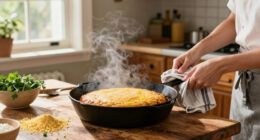
The recipe calls for melting two tablespoons of unsalted butter in a skillet over medium-low heat, then stirring in about 1/4 teaspoon of garam masala. The spice should cook in the butter for roughly 10 seconds, until fragrant. The Kitchn warns against raising the heat: finely ground spices can burn quickly, which may affect the flavor.
Next, the instructions call for adding eight ounces of freshly boiled pasta and a splash of reserved pasta water. The pan is taken off the heat before folding in 1/4 cup of freshly grated Parmesan. The reserved water helps loosen the butter and cheese into a coating for the noodles, according to the recipe’s directions.
The report suggests starting with 1/4 teaspoon of garam masala for a subtle result and increasing the amount to 1/2 teaspoon for a more pronounced spice flavor. It recommends grating Parmesan from a block, saying fresh grating helps the cheese melt smoothly. These are the publication’s cooking recommendations, not a tested comparison of different spice amounts or cheeses.
A Small Change to a Weeknight Staple
The recipe matters primarily as a low-effort cooking idea: it changes the flavor of a familiar meal without adding a lengthy preparation step or a long list of ingredients. For readers who already make buttered pasta, the key adjustment is to season the butter itself before adding the noodles, rather than relying only on cheese and salt at the end.
Garam masala is a blend, and its composition can vary. The Kitchn describes the blend in its report as including warm, sweet spices such as cinnamon, clove, nutmeg and cardamom. Blooming the powder briefly in butter is presented as a way to release its aroma and spread the flavor through the sauce. The resulting dish is a personal recipe suggestion, not evidence that this is the best or only way to make buttered noodles.
The practical caution is as relevant as the flavor idea: keep the heat low and add the pasta soon after the spice becomes fragrant. That short cooking window makes the technique accessible, but leaves little room to walk away from the pan.
Products Worth Considering

Honees Honey Caramels Hard Candy einzeln verpackt | Natürliche und gesunde Süßigkeiten, hergestellt in Italien mit Milch und reinem Honig, 1 Packung (75 ml)
Einzeln verpackt für Komfort unterwegs: perfekt für Ihre Handtasche, Auto oder Schreibtisch. Jede Süßigkeit bleibt frisch, praktisch und…
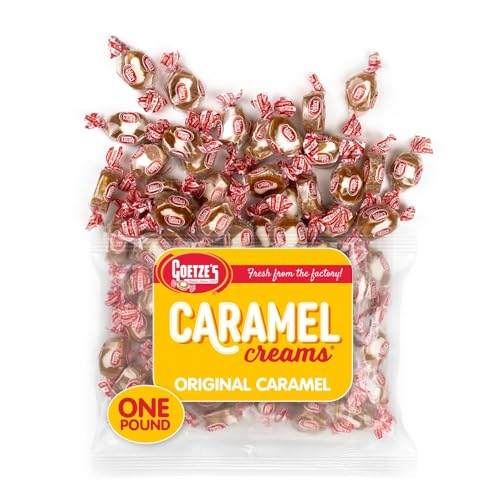
Goetze's Caramel Creams, 1 Lb, 1 Pound
As an affiliate, we earn on qualifying purchases.
How the Spice Enters the Sauce
The source is a first-person food report from The Kitchn, titled “For the Best Buttered Noodles, I Always Add a Pinch of This.” Its writer describes buttered fettuccine as an easy fall dinner and says a family member’s version prompted the tip: the brother used garam masala in melted butter instead of plain butter.
The recipe builds on the familiar combination of pasta, butter and hard cheese. Its main technique is to let the spice sit briefly in warm fat before adding the noodles. The publication characterizes that step as “blooming” the spice and says it gives the pasta a warmer, more aromatic flavor. The source does not provide a formal recipe test, nutritional analysis or a comparison against other seasonings.
““He swaps the standard plain butter for melted butter with a pinch of garam masala powder.””
— The Kitchn
Taste and Blend May Vary
The report does not specify a brand or exact spice formula for the garam masala. Because blends can differ, the aroma and intensity may vary between kitchens. It also does not establish how the flavor changes with different pasta shapes, salted butter, alternative cheeses or dietary substitutions.
The recommendation to increase the spice to 1/2 teaspoon is offered as a matter of taste; the source does not describe a controlled comparison or say that every reader will prefer the stronger amount. No independent testing, nutrition information or cost comparison is included. The article also does not give a food-safety claim beyond serving the pasta hot.
Adjust the Spice to Taste
The source provides no announced follow-up, testing schedule or response from a recipe developer. For readers trying the method, the next step is simply to follow the stated sequence: melt the butter on medium-low, stir in a small amount of garam masala for about 10 seconds, and add the hot noodles before the spices scorch.
After tossing the pasta with a splash of reserved cooking water, take the pan off the heat and fold in the Parmesan. The publication advises beginning with 1/4 teaspoon and adjusting toward 1/2 teaspoon according to preference. Any variation beyond that remains a matter of individual taste rather than a tested result reported in the source.
Key Questions
How much garam masala does the recipe use?
The Kitchn recommends starting with about 1/4 teaspoon for eight ounces of pasta. It says cooks can use up to 1/2 teaspoon for a stronger flavor.
When should the garam masala go into the pan?
Stir it into melted butter over medium-low heat and let it bloom for about 10 seconds, until fragrant. Add the hot pasta soon afterward because the finely ground spices can burn quickly.
Why does the recipe call for reserved pasta water?
The instructions add a splash of reserved pasta water with the noodles to help the butter and Parmesan coat the pasta. The source does not specify an exact amount.
Can the garam masala amount be changed?
Yes. The report suggests adjusting it to taste, beginning with 1/4 teaspoon and moving toward 1/2 teaspoon for more pronounced spice. Garam masala blends vary, so the flavor may differ by product.
Source: thekitchn.com