TL;DR
The Kitchn food writer Melissa Gaman describes using a small amount of buttermilk to coat seasoned chicken breasts before searing and roasting. Her method uses two tablespoons for 1 1/2 pounds of chicken; the recipe calls for cooking the meat to 165°F in its thickest part.
The Kitchn food writer Melissa Gaman says a light coating of buttermilk helped her chicken breasts brown and stay juicy when she used it in place of the usual oil-and-spice coating. Her reported method uses two tablespoons of buttermilk for 1 1/2 pounds of boneless, skinless chicken, followed by searing and oven-roasting—a small-scale cooking tip for home cooks looking to use leftover buttermilk.
Gaman’s experiment began when she was preparing dinner and had nearly run out of oil. She wanted to season chicken before cooking it, as she usually would, and used buttermilk to help the spices coat the meat. She writes that the result was well-browned, juicy chicken and that the method became her new go-to. This is her account of a kitchen test, not a formal comparison of cooking methods.
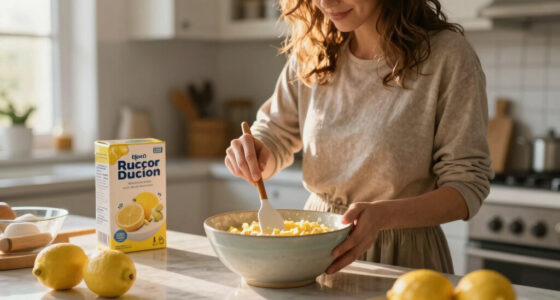
For the recipe, pat 1 1/2 pounds of chicken breasts dry and season both sides with kosher salt, pepper and dry spices. Gaman recommends garlic powder, paprika and dried oregano, while noting that the mild flavor of buttermilk can pair with other seasonings. Drizzle on two tablespoons of shaken buttermilk and turn the pieces until they are lightly coated.
Heat two tablespoons of olive oil in a large oven-proof skillet over medium heat. Once hot but not smoking, add the chicken with space between pieces and cook until golden on both sides, flipping halfway; the article gives a range of eight to 10 minutes. Transfer the skillet to a 400°F oven and roast for another 10 to 15 minutes, until the thickest part reaches 165°F.
A Small Fix for Leftover Buttermilk
The tip gives cooks another use for buttermilk left over from baking, without requiring the longer soaking time of a marinade. The amount is modest, and the method uses the buttermilk as a coating to carry seasoning onto the chicken before it meets the pan. That may be useful for weeknight cooking, especially when a recipe leaves a partly used carton in the refrigerator.
Gaman’s explanation also highlights a practical distinction: this is not a buttermilk brine. She says the chicken is coated shortly before cooking, so the buttermilk’s mild tang does not remain prominent. Instead, she attributes the browning to its natural sugars caramelizing on the surface, while the coating helps keep the exterior from becoming tough. Those are the author’s culinary explanations; the source does not report laboratory testing or a controlled comparison with oil alone.
The technique does not remove the need for oil in the pan. The recipe still calls for two tablespoons of olive oil for searing. It changes the coating on the chicken, rather than replacing the cooking fat altogether.
Products Worth Considering

Halloween-Ausstechformen-Set – 3 Farben, Zuckerguss-Tuben, 4 einzigartige Spritztüllen, 3 Halloween-Ausstechformen und Streusel – Orange, Schwarz und Weiß Zuckerguss-Set für Kekse, Kuchen und Cupcakes
Komplettes Halloween-Dekorationsset: Alles, was Sie brauchen, um gruselige Halloween-Leckereien in einem praktischen Set zu kreieren. Enthält 3 Tuben…
As an affiliate, we earn on qualifying purchases.
From Marinade to Quick Coating
Buttermilk is commonly used in chicken marinades. As Gaman explains, its acidity can affect proteins during a longer rest, and its thick texture helps it cling to meat and carry flavor. Her reported approach applies it differently: the chicken gets only a thin coat shortly before cooking, rather than sitting submerged in a marinade.
The idea arose from Gaman’s efforts to use extra buttermilk left after making biscuits. She says she often has some remaining because her preferred biscuit recipe uses one cup while buttermilk is typically sold in quart containers. The article presents the chicken method as a personal cooking discovery, not as a newly tested product or a change to formal food guidance.
“I grabbed some buttermilk and added just enough to disperse the spices and coat the chicken before searing it.”
— Melissa Gaman, The Kitchn food writer
How Broadly the Method Applies
The source is a single writer’s cooking account. It does not provide side-by-side tests comparing buttermilk-coated chicken with chicken coated in oil, nor does it quantify differences in juiciness, browning or flavor. Results may vary with the thickness of the pieces, pan temperature, stove and oven, and the amount of coating.
Gaman says both whole-milk and low-fat cultured buttermilk can work, though the thicker whole-milk kind may require a little more for an even coating. The article does not specify an exact resting time between coating and cooking, beyond treating the technique as a quick application rather than a marinade. It also does not provide nutrition information.
Follow the Temperature Check
The article offers a home-cooking method rather than a developing event with a scheduled follow-up. For anyone trying it, the next step is to use the stated sequence—season, lightly coat, sear, then roast—and check the thickest part of each breast with a food thermometer. The recipe specifies 165°F as the safe internal temperature for the chicken.
Gaman’s main practical caution is to avoid pooling buttermilk. If too much is added, she advises lifting the chicken and letting excess drip back into the bowl before it goes into the skillet. The coating should not replace seasoning: she says the cooked chicken will not strongly taste of buttermilk, so salt, pepper and spices remain important.
Key Questions
How much buttermilk does the method use?
Gaman’s recipe uses two tablespoons for 1 1/2 pounds of boneless, skinless chicken breasts—enough for a light coating, not a marinade.
Does the chicken need to marinate?
No resting period is specified. The article describes tossing the seasoned chicken in buttermilk shortly before cooking, rather than leaving it submerged as in a traditional marinade.
Will the cooked chicken taste strongly of buttermilk?
Gaman says the buttermilk’s flavor is not prominent after cooking. She recommends seasoning the chicken separately with salt, pepper and dry spices.
What temperature should the chicken reach?
The recipe says to roast until the thickest part reaches 165°F. Use a food thermometer to check doneness.
Source: thekitchn.com