🔍 Read the full analysis: Torta Della Nonna: The Custard-and-Pine-Nut Tart Every Trattoria Serves on Mad Tasting
TL;DR
Torta della Nonna is a traditional Italian dessert featuring a shortcrust pastry filled with lemon custard and topped with toasted pine nuts and powdered sugar. Its origins are debated, but it remains a staple in Tuscan trattorias, celebrated for its balance of textures and flavors.
Torta della Nonna is a classic Italian dessert that continues to be a staple on Tuscan trattoria menus, featuring a crisp pastry shell filled with lemon-scented custard and topped with toasted pine nuts and powdered sugar. While its exact origins are disputed, it remains a beloved symbol of regional Italian pastry traditions and a favorite among locals and tourists alike.
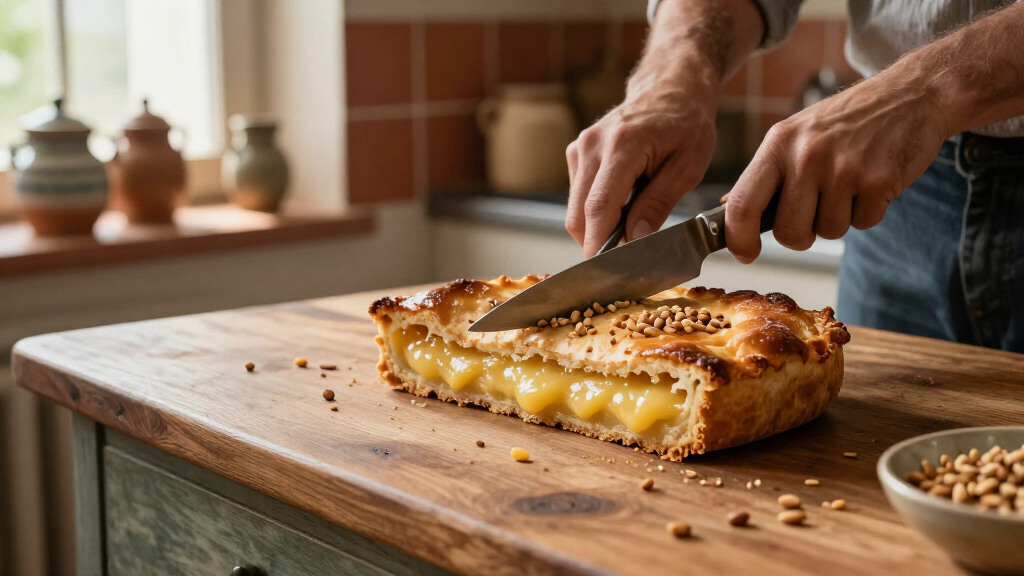
The tart consists of three key components: a pasta frolla shell, a crema pasticcera filling flavored with lemon zest, and a topping of toasted pine nuts finished with powdered sugar. The pastry is rich and tender, similar to French pâte sablée, designed to melt in the mouth without being overly flaky. The custard provides a smooth, citrusy contrast, while the toasted pine nuts add a resinous, nutty flavor and crunchy texture. This balanced combination creates a dessert that is both simple and sophisticated, often served at room temperature and capable of keeping for several days.
Though widely associated with Tuscany—particularly Florence and Arezzo—the origins of Torta della Nonna are difficult to trace definitively. The most common story credits Florentine chef Guido Samorini, who supposedly created the tart in the 20th century to meet diner demand. However, many believe the dessert evolved from traditional home recipes, with the name evoking rustic, grandmotherly cooking. Its name, meaning ‘Grandmother’s Cake,’ emphasizes its comforting, familial roots, even if its precise history remains murky.
Torta della Nonna: The Custard-and-Pine-Nut Tart Every Trattoria Serves
A crisp pasta frolla shell, lemon-scented crema pasticcera, toasted pine nuts, and a dusting of powdered sugar — a dessert whose exact origins are disputed, yet whose place on Tuscan menus is beyond doubt.
Three Components, One Balanced Bite
Pasta Frolla
A rich, tender shortcrust similar to French pâte sablée — designed to melt in the mouth without being overly flaky.
Crema Pasticcera
A smooth pastry cream scented with fresh lemon zest, providing a citrusy contrast to the buttery shell.
Pine Nuts & Sugar
Toasted pine nuts add a resinous, nutty flavor and crunch, finished with a snowfall of powdered sugar.
How the Tart Is Built
Make the Frolla
Butter, flour, egg, and sugar are worked into a tender, melt-in-the-mouth shortcrust.
Cook the Custard
Crema pasticcera is prepared with lemon zest — smooth, never lumpy.
Assemble & Top
Custard is poured into the shell, then blanketed with toasted pine nuts.
Bake & Finish
Baked until golden, cooled, and dusted with powdered sugar before serving.
“I created the modern version of Torta della Nonna in the 20th century to satisfy the demand for a comforting, accessible dessert.”
— Chef Guido Samorini (attributed)What’s Confirmed vs. What’s Uncertain
| Claim | Status | Notes |
|---|---|---|
| Tuscan trattoria staple | ✓ Confirmed | Ubiquitous on menus in Florence, Arezzo, and across Tuscany. |
| Created by Guido Samorini | ~ Disputed | The most common story, but no definitive documentation exists. |
| Core recipe = frolla + lemon custard + pine nuts | ✓ Confirmed | These elements remain consistent across regions. |
| Originated in the 20th century | ~ Uncertain | Many believe it evolved from older home recipes. |
| “Grandmotherly” rustic heritage | ~ Uncertain | The name may be more branding than documented history. |
| Regional variations exist | ✓ Confirmed | In Arezzo: “torta del nonno” with chocolate or almonds. |
Why It Endures
A symbol of regional pastry craftsmanship and family tradition — versatile enough to end a long meal or anchor breakfast. Chefs now experiment with alternative crusts and flavor infusions, while home cooks share recipes online, keeping the tradition alive for new generations.
Frequently Asked
What are the main ingredients?
Pasta frolla, lemon-flavored crema pasticcera, toasted pine nuts, and powdered sugar.
Can I make it at home?
Yes — keep the pastry tender (not soggy), the custard smooth (not lumpy), and toast the pine nuts well.
Hot or cold?
Room temperature or slightly chilled, so the flavors meld and the custard sets properly.
Are there regional versions?
Yes — in Arezzo, “Torta del Nonno” with chocolate or almonds reflects local tastes.
Cultural and Culinary Significance of Torta della Nonna
Torta della Nonna holds a special place in Italian culinary culture as a symbol of regional pastry craftsmanship and family tradition. Its simple yet refined flavor profile makes it a versatile dessert, suitable for ending a long meal or enjoying as breakfast. The tart’s enduring popularity reflects Italy’s appreciation for balanced, handcrafted desserts that highlight local ingredients like fresh lemon zest and toasted pine nuts. Its widespread presence in Tuscan trattorias underscores its role as a regional culinary icon, fostering a sense of community and nostalgia among Italians and travelers alike.

Sinnsally Quicheform,28cm Tarteform mit Hebeboden,Tarte Form Antihaftbeschichtete Quiche Tortenboden Obstkuchenform Tortenbodenform Obstbodenform Tortenform Torte Tart Pan Tortenpfannen Quichepfanne
- High-Quality Carbon Steel: Durable, heat-conductive, oven-safe up to 230°C
- Removable Base Design: Easy to release and maintain shape
- Non-Stick Coating: Food-safe silicone coating for easy cleaning
As an affiliate, we earn on qualifying purchases.
As an affiliate, we earn on qualifying purchases.
Historical Roots and Regional Variations
The origins of Torta della Nonna are not precisely documented, but it is generally regarded as a traditional Tuscan recipe that gained prominence in the 20th century, possibly popularized by chef Guido Samorini. The dessert’s name and concept evoke rustic, family-oriented baking, common in Italian households for generations. Variations exist across regions: in Arezzo, it’s sometimes called torta del nonno and made with chocolate or almonds, reflecting local tastes. Outside Tuscany, similar custard tarts appear under different names, but the core elements—shortcrust pastry, lemon custard, toasted nuts—remain consistent, illustrating the dish’s regional adaptability and enduring appeal.
“I created the modern version of Torta della Nonna in the 20th century to satisfy the demand for a comforting, accessible dessert.”
— Chef Guido Samorini

Messino Zitronen Perlen 50 ml | Fruchtige Kügelchen aus natürlichem Zitronensaft – intensiv für Salate, Desserts, Pasta & vegane Küche
- Product Type: Lemon Pearls with Natural Lemon Juice
- Flavor Profile: Fruity aroma with fresh acidity
- Color: Bright yellow
As an affiliate, we earn on qualifying purchases.
As an affiliate, we earn on qualifying purchases.
Unresolved Questions About the Tart’s Origins
Despite its popularity, the precise origin of Torta della Nonna remains unconfirmed. While the story credits Guido Samorini with its creation in the 20th century, some believe it evolved from older regional recipes. The exact date and place of its invention are not documented, and the name’s association with rustic family cooking may be more branding than history. Additionally, regional variations, such as the chocolate version in Arezzo, complicate the narrative of a single, definitive recipe.

Maryland Pinienkerne 1000g Vorratspackung – naturbelassen, vegan | frei von künstlichen Aromen, ohne Zusatzstoffe – Im Großbeutel genießen (1 x 1kg)
- Vegan and Natural: Naturbelassene, vegane Pinienkerne
- Pure Quality Guarantee: Ohne Zusatzstoffe, vegan, koscher, halal
- Crunchy and Fresh: Knackige, frisch ausgewählte Pinienkerne
As an affiliate, we earn on qualifying purchases.
As an affiliate, we earn on qualifying purchases.
Future of Torta della Nonna in Italian Cuisine
As Italian culinary traditions continue to evolve, Torta della Nonna remains a staple in Tuscan trattorias, with some chefs experimenting with modern twists—such as alternative crusts, flavor infusions, or presentation styles. Its popularity among tourists and locals alike suggests it will continue to be a symbol of regional identity. Food writers and chefs may further explore its history and variations, potentially solidifying its status as an Italian classic. Meanwhile, home cooks are increasingly sharing recipes online, helping preserve and adapt this traditional dessert for new generations.
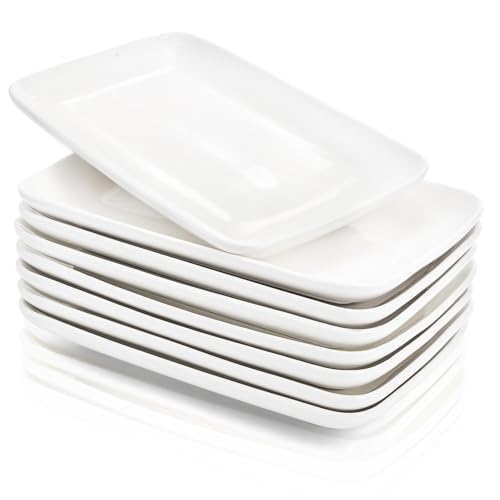
Foraineam 8 Stück Rechteckige Porzellanteller Keramik Servierteller 8inch Servierplatte Porzellanplatten für Dessert, Vorspeisen, Salatteller, Weiße Serviertabletts
- Ideal Size for Various Foods: 8 plates, 20.5cm x 12.6cm x 2.5cm
- Elegant Bogen-Edge Design: White, glossy, and stylish appearance
- Durable and Safe Material: Thick, microwave, oven, freezer, dishwasher safe
As an affiliate, we earn on qualifying purchases.
As an affiliate, we earn on qualifying purchases.
Key Questions
What are the main ingredients of Torta della Nonna?
The main ingredients include pasta frolla (shortcrust pastry), crema pasticcera (lemon-flavored pastry cream), toasted pine nuts, and powdered sugar.
Can I make Torta della Nonna at home?
Yes, with a good recipe, you can prepare it at home. Key tips include ensuring the pastry is tender but not soggy, the custard is smooth and not lumpy, and the pine nuts are toasted to bring out their flavor.
Is Torta della Nonna served hot or cold?
It is traditionally served at room temperature or slightly chilled, which allows the flavors to meld and the custard to set properly.
Are there regional variations of Torta della Nonna?
Yes, especially in Arezzo, where it may be called Torta del Nonno and made with chocolate or almonds, reflecting local tastes and ingredients.
Why is it called ‘Grandmother’s Cake’?
The name emphasizes its rustic, family-oriented roots, evoking the comforting, home-cooked nature of traditional Italian baking.
Source: Mad Tasting