
TL;DR
Wildlife experts say animal repellents can sometimes reduce garden damage, but they do not reliably keep hungry animals away. They recommend applying products early and repeatedly, rotating formulas and combining them with fencing and other measures; effectiveness varies by species and local conditions.
Animal repellents may reduce garden damage temporarily, but wildlife specialists interviewed by Good Housekeeping say sprays and granules cannot reliably protect plants when animals are hungry or numerous. Their guidance is that repellents work best as one part of a broader plan, alongside barriers and changes to the animals’ habitat.
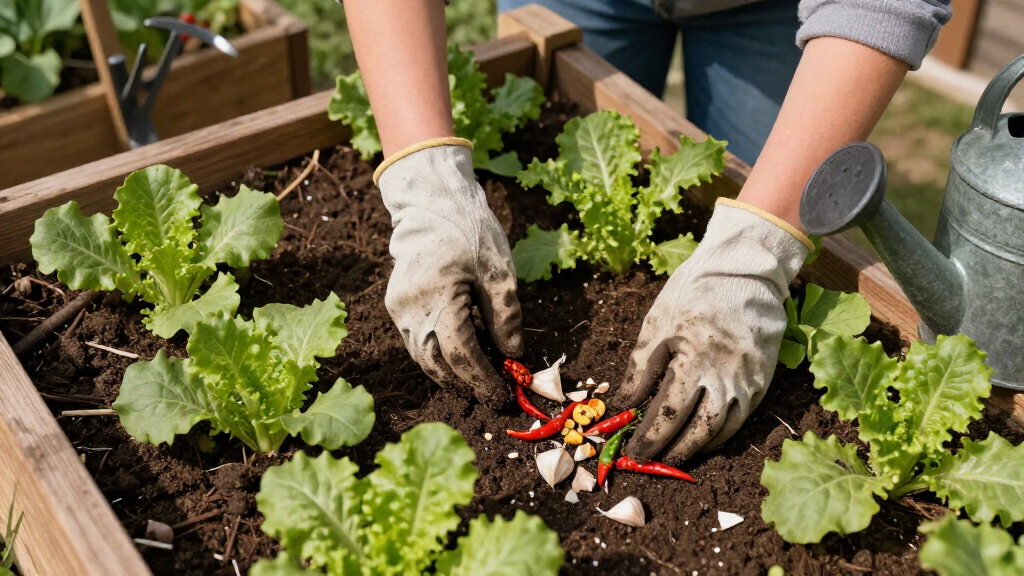
The report describes two main kinds of wildlife repellent. Contact repellents are put directly on plants or other food sources and use unpleasant tastes, including bitter or hot ingredients such as capsaicin. Animals may need to take a bite to encounter the deterrent. Area repellents use odors—such as those associated with rotten eggs, rotten milk or blood meal—to discourage animals from approaching or feeding.
Experts caution that neither format guarantees protection. Sheldon Owen, a wildlife extension specialist at West Virginia University, said animals may continue eating treated plants if food is scarce. Robert Pierce, a wildlife specialist at the University of Missouri, described repellents as offering temporary and limited effectiveness depending on the species and circumstances. The report also notes that animals can respond differently, even within the same species.
Application matters, but it does not remove those limits. Owen advises using repellents before animals establish a feeding pattern and reapplying them often, particularly after rain or snow and during hot weather. Mike Mengak, a wildlife specialist and professor emeritus at the University of Georgia, recommends rotating products with different ingredients because animals may become accustomed to a repeated deterrent. Product instructions should be followed; the report does not provide a single reapplication schedule that applies to every product.
Repellents Work Best With Barriers
For gardeners, the practical point is to avoid relying on a bottle or packet as the only defense. The report says animal numbers and available food can affect whether a deterrent has any effect. Mengak gave the example of deer density: a neighborhood with many deer may face damage that repellents cannot prevent. Seasonal food shortages can also make gardens more attractive, according to Owen.
The experts recommend combining methods, an approach known as integrated wildlife damage management. Fencing can help protect plants from rabbits and deer; the report says rabbit barriers can be a few feet high, while deer fencing may need to be at least six feet tall. Gardeners can also remove nearby piles of wood or brush that provide habitat and try motion-activated sprinklers. Those devices startle animals with movement, sound and water, though the report advises moving them periodically so wildlife does not become accustomed to them.
These measures can help set realistic expectations and avoid repeated spending on products that may not work in a particular yard. The source does not compare specific brands, establish a success rate or offer a guarantee. Its central finding is narrower: repellents may help in some conditions, but reducing damage usually calls for more than scent or taste deterrents alone.

GREEN GUARDIA Mäuse & Ratten Abwehrspray – Effektive Sofortwirkung, 500 ml
- Effective Rodent Defense: Targets mice and rats in key areas
- Ready-to-Use Spray: No mixing needed, just shake and spray
- Plant-Based Formula: Contains Neem, Peppermint, and Citronella oils
As an affiliate, we earn on qualifying purchases.
As an affiliate, we earn on qualifying purchases.
Why Wildlife Targets Gardens
Wild animals forage for food, and gardens can provide an accessible supply of tender plants, flowers and vegetables. The report cites damage from deer eating rose blooms, woodchucks chewing perennials and voles damaging shrubs. Rabbits and rodents may also feed through much of the year, while woodchucks are especially active in autumn as they build fat reserves before hibernation, Owen said.
Pressure on gardens can shift with the season and the amount of other food available. Owen said damage may ease when more food is around, then rise as greenery dies back in fall and fewer options remain. The report presents these observations as expert guidance, not as a measurement of damage across all gardens. It does not identify a particular new product or a controlled study; the development is a practical assessment of what repellents can and cannot do.
Some deterrents may also have unwanted effects. Owen cautioned that coyote-urine products intended to deter herbivores such as rabbits could attract coyotes investigating the smell. The report says there is little or no evidence that common do-it-yourself remedies—including soap, coffee grounds, human hair or urine—prevent wildlife damage. Mengak also said sonic devices are not useful for this purpose.
“Depending on the circumstances and wildlife species, various repellent formulations can offer temporary and limited effectiveness.”
— Robert Pierce, associate professor and state extension fisheries and wildlife specialist at the University of Missouri
As an affiliate, we earn on qualifying purchases.
Results Depend on Local Conditions
The report does not establish how effective any particular repellent is across different gardens, species or climates. It provides no success-rate figures, controlled comparisons or product-by-product recommendations. It is also not clear how long a given product remains effective: the experts advise reapplication after weather events and in heat, but product formulations and label directions differ.
Gardeners also may not know which animal is responsible for damage, and a deterrent aimed at one species may not affect another. Animal density, alternative food and individual behavior all influence outcomes, according to the specialists. The advice should therefore be read as general guidance, not a promise that any single repellent or combination will stop feeding.

Gardena Viereckregner AquaZoom compact: Regner zur Bewässerung von Nutzflächen von 9-216 m², Reichweite 3-18 m, Sprengweite 3-12 m, integrierter Innenfilter (18708-20)
- Flexible Watering Settings: Adjust spray width, range, and flow
- Puddle-Free Operation: Connects easily for even watering
- Adjustable Spray Range: Range from 3 to 12 meters
As an affiliate, we earn on qualifying purchases.
As an affiliate, we earn on qualifying purchases.
Combine Measures and Monitor Damage
The report offers no scheduled follow-up study or announced product testing. For gardeners dealing with damage, the experts’ advice is to identify the animals involved, begin deterrence before feeding becomes established, follow product labels and reapply as directed after rain, snow or heat. If using repellents, rotating products with different ingredients may reduce the chance that animals become accustomed to one approach.
Pairing those steps with appropriate fencing, habitat cleanup and movable motion-activated sprinklers may provide more protection than repellents alone. Gardeners can then monitor which plants continue to be damaged and adjust their methods. The likely result remains local and uncertain: the source supports trying combined approaches, but does not claim they will eliminate wildlife damage.
As an affiliate, we earn on qualifying purchases.
Key Questions
Can animal repellents keep deer and rabbits out of a garden?
They may reduce feeding in some circumstances, but wildlife specialists say repellents do not reliably stop animals, particularly when food is scarce or animal numbers are high. Fencing may add a physical barrier.
What is the difference between contact and area repellents?
Contact repellents are applied to plants or food and work through an unpleasant taste. Area repellents use odors intended to discourage animals from approaching.
How often should garden repellents be reapplied?
The report gives no universal schedule. Its experts advise reapplying frequently, especially after rain or snow and in hot weather, and following the individual product’s label.
Do household remedies such as coffee grounds or soap work?
The report says there is little to no evidence that coffee grounds, bars of soap, human hair or urine prevent wildlife damage. It also reports that a wildlife specialist considers sonic devices ineffective.
What can gardeners use alongside repellents?
Experts recommend combining approaches, including fencing suited to the animal, removing nearby piles of wood or brush, and using motion-activated sprinklers. Move scare devices periodically so animals do not become accustomed to them.
Source: rss