
TL;DR
The claim that food recalls are up 400% this year refers to the number of recalled units, not the number of recall events. Regulators recorded 1,634 recalls in the first half of 2026, nearly unchanged from 1,636 a year earlier, while recalled units rose from 211.2 million to 941.2 million. The underlying report says larger, more complex recalls put added pressure on product tracking and clear consumer communication.
Food recalls were not up 400% by count in the first half of 2026, according to figures cited in a Food Safety News report: regulators recorded 1,634 recalls, compared with 1,636 in the same period of 2025. The widely shared 400% claim refers instead to the volume of affected product, with recalled units rising from 211.2 million to 941.2 million year over year.
The report traces the 400% figure to a claim circulated on social media. The creator who shared it reportedly did not identify the source of the statistic or explain what it measured. The article says the number was not necessarily wrong, but its missing context made it easy to interpret as a sharp rise in how often recalls were issued.
The figures cited distinguish recall frequency from recall scale. The number of recalls in the first six months changed by just two between 2025 and 2026, while the number of affected units increased by 730 million. Those unit totals and comparisons are presented in the source report; it does not identify the underlying dataset or provide a breakdown by product category or recall cause.
The article points to contaminated lettuce linked to Cyclospora as an example of how one supplier problem can reach many businesses. It says the lettuce was distributed to Taco Bell locations and multiple grocery brands nationwide. The report uses this case to illustrate how a shared supplier can give a single contamination event a broad reach; it does not provide additional details about the affected products or the recall’s dates.
Why Larger Recalls Reach More Shoppers
The distinction matters because a count of recall notices and the number of affected units describe different risks. A similar number of recall events alongside many more recalled units suggests that some incidents may involve more product or reach more customers. The figures alone do not establish why the total rose, or show how many units were contaminated or consumed.
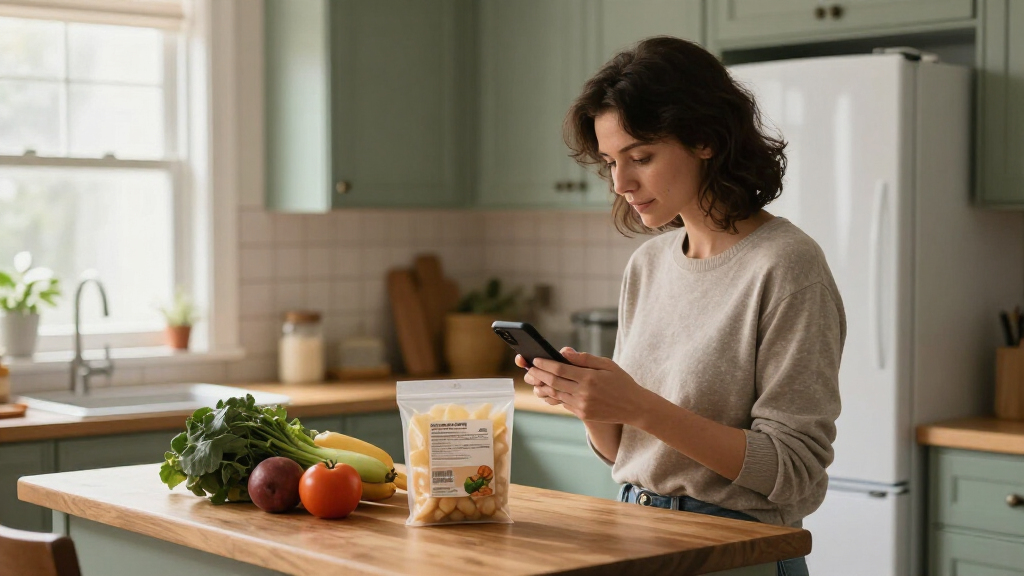
The report argues that larger recalls put pressure on traceability and consumer communication. Companies need to identify which products came from an affected source and share usable details, such as product identifiers, with retailers and consumers. If messages are late, vague or inconsistent, people may struggle to tell whether food they bought is included.
For shoppers, a large recall is not by itself evidence that the whole food supply is unsafe. The practical response depends on the scope of the specific notice: consumers need to know which products, brands or sources are affected and follow the instructions issued for them.
As an affiliate, we earn on qualifying purchases.
How the 400% Claim Spread
The Food Safety News article describes a summer marked by prominent recalls and public concern about food safety. Against that backdrop, a social media claim that recalls were up 400% spread quickly, the report says. It attributes the claim’s reach in part to a mismatch between how people understood the number and what it counted.
The cited comparison covers the first half of 2026 against the first half of 2025. It reports 1,634 versus 1,636 recalls and 941.2 million versus 211.2 million recalled units. These are not interchangeable measures: an individual recall can cover a large volume of product, and the report says shared suppliers can spread the effects across multiple brands.
Roger Hancock, the article’s author and CEO of Recall InfoLink, says the response should account for both frequency and scale. In his view, preventing more incidents calls for attention to prevention practices and food safety culture, while managing broad incidents calls for better tracing and communication. The article says progress is being made in both areas but that work remains.
“The number of recalls hasn’t changed much.”
— Roger Hancock, CEO of Recall InfoLink, in Food Safety News

AffinityDNA Test-Set für Lebensmittelunverträglichkeit für über 900 Lebensmittel- und Non-Food-Artikel,Ergebnisse in 7 Werktagen,Ein komplettes Set ohne zusätzliche Gebühren
- Detects Food and Non-Food Intolerances: Tests for over 900 items, including sensitivities
- Fast Results in 7 Business Days: Quick turnaround for comprehensive testing
- Affordable and Complete Test Kit: Includes all necessary components at no extra cost
As an affiliate, we earn on qualifying purchases.
As an affiliate, we earn on qualifying purchases.
What the Totals Do Not Show
The source article does not name the dataset behind the recall totals, explain how it defines a recalled unit, or provide a method for calculating the reported 400% increase. It also does not break down the unit totals by incident, food type, cause or regulatory agency. Readers therefore cannot use the figures alone to determine what drove the increase or how much product posed a health risk.
The report says recalled lettuce reached Taco Bell locations and grocery brands, but the supplied material does not specify the affected products, locations, dates or current status of that incident. It also does not establish whether the rise in affected units will continue through the rest of 2026.

Verhaltensnahrungsset + Ernährung Fora + Ernährung + 1 Bücher
- Complete behavioral and nutritional set: Includes Fora nutrition and a book
As an affiliate, we earn on qualifying purchases.
As an affiliate, we earn on qualifying purchases.
Clearer Notices Will Shape Response
The report identifies product tracing and communication as areas where companies and supply-chain partners need to keep improving. For consumers, the next useful information is the detail in each specific recall notice: product names and identifiers, where items were sold, and what action to take. The article does not cite a scheduled regulatory review, new dataset release or other formal next milestone.
Hancock’s account urges companies to communicate quickly and consistently with retailers and consumers when a recall occurs. Until more detailed figures are available, the reported totals support a narrow conclusion: the number of recalls was nearly flat in the first half of 2026, while the volume of recalled units was substantially higher.
As an affiliate, we earn on qualifying purchases.
Key Questions
Were food recalls up 400% in the first half of 2026?
Not by the number of recall events. The report cites 1,634 recalls in the first half of 2026 and 1,636 in the same period of 2025. The 400% figure refers to recalled units, which rose from 211.2 million to 941.2 million.
Where did the 400% claim come from?
Food Safety News says the figure spread through social media. Its account says the person who posted it did not identify the source or explain that it referred to recalled units.
Does a larger recall mean the entire food supply is unsafe?
No such conclusion follows from the totals alone. A large recall can involve a product from a widely distributed supplier. Consumers should check the specific recall notice to see whether a product they bought is affected and follow its instructions.
What information should a recall notice provide?
The report says companies should communicate clearly and quickly, including product identifiers that help consumers determine whether their purchases are covered. It also calls for accurate, consistent information across suppliers and the places where products were sold.
Source: rss