🔍 Read the full analysis: Gnocchi Alla Romana: Semolina Rounds Under A Golden Crust on Mad Tasting
TL;DR
Mad Tasting describes gnocchi alla Romana as baked semolina rounds from Rome and Lazio, distinct from potato gnocchi. The guide’s central technique is to whisk semolina gradually into hot milk, cook it until very thick, cool it fully before cutting, then bake the rounds with butter and cheese until browned.
Mad Tasting’s cooking guide explains how to make gnocchi alla Romana, a dish of cooked semolina cut into rounds and baked with a buttery, cheesy topping. The method differs from potato gnocchi: the semolina is cooked on the stovetop first, then cooled and shaped before baking, which gives the rounds a tender center and browned crust.
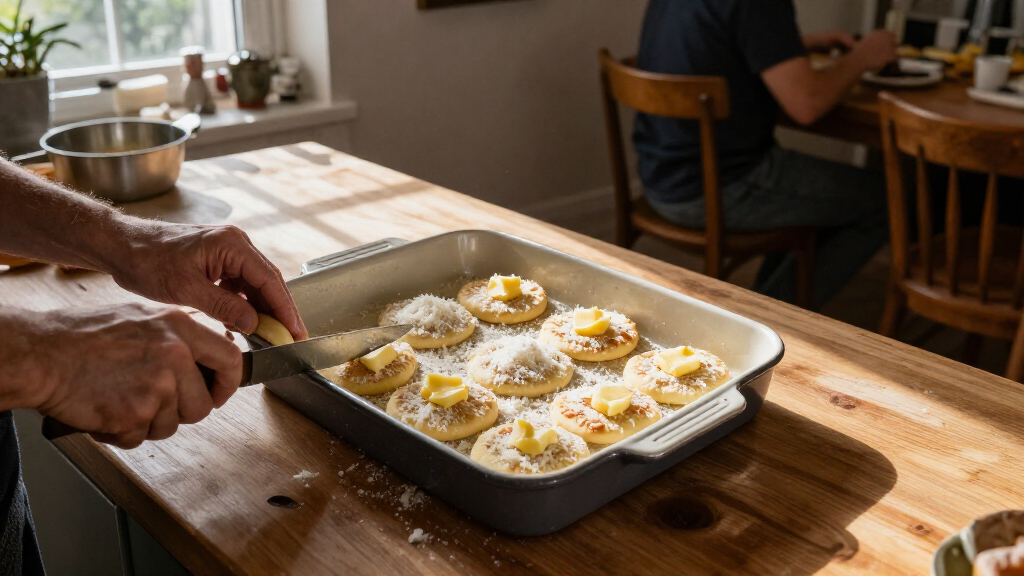
The guide identifies the dish with Rome and the surrounding Lazio region. Its base is durum wheat semolina cooked in milk, then enriched with butter, egg yolks and grated cheese. Once the mixture becomes very thick, it is spread out and left to cool completely. The firm sheet can then be cut into disks and arranged in an oven dish for baking.
For a smooth mixture, Mad Tasting advises whisking the semolina into hot milk gradually rather than adding it all at once. The guide says a sudden addition can leave dry centers and lumps. Continued stirring as the grain thickens helps it hydrate evenly; cooking until very thick, followed by full cooling, helps the rounds hold their shape when cut.
The oven is not where the raw semolina dough is cooked through. Instead, baking finishes the already-cooked rounds, browning their tops while they soften again inside. The source describes a soft, creamy middle beneath a savory crust. It also notes that fine semolina tends to make a smoother, more uniform result, while a coarser grind keeps more grain texture and may need longer cooking and more attention.
Gnocchi Alla Romana: Semolina Rounds Under a Golden Crust
Cooked on the stovetop, cooled until firm, then baked with butter and cheese: this Roman classic is built in stages, with a tender center beneath its savory browned top.
“The stovetop builds the structure, and the oven adds the crisp, savory finish.”
Mad Tasting · Technique at a glance
A different kind of Roman gnocchi
These are not potato dumplings. The grain cooks first in milk, sets into a firm sheet, and is sliced into rounds before the oven gives it color.
Semolina, not potato
Durum wheat semolina is whisked into hot milk and cooked until very thick. Butter, egg yolks and grated cheese enrich the mixture.
Slab, cool, cut
Spread the cooked mixture into a sheet and let it cool completely. Once firm, it can be cut into tidy disks for baking.
A substantial primo
In Rome, gnocchi alla Romana are commonly served as a first course. They can also anchor a relaxed meal with vegetables or meat.
Shaped & boiled
Usually formed into small dumplings and cooked in boiling water.
Cooked & baked
Semolina thickens on the stove, cools in a sheet, then bakes as rounds under butter and cheese.
Build structure before the bake
The sequence does the work: hydrate and thicken the grain first, cool it until cuttable, then bake the rounds to brown their tops.
Whisk in gradually
Bring milk hot, then add semolina a little at a time while whisking to help prevent dry pockets and lumps.
Stir until very thick
Keep stirring as the grain hydrates and thickens. Enrich the cooked base with butter, egg yolks and cheese.
Cool fully, then cut
Spread the mixture into a sheet and let it become completely cool and firm before cutting out disks.
Bake to golden
Arrange rounds in an oven dish, top with butter and cheese, and bake until the surface is browned.
From creamy middle to browned top
The oven finishes rounds that are already cooked through. Baking softens the center again while adding the golden, savory crust.
Finish, color, flavor
The raw semolina mixture is not cooked through in the oven. Stovetop cooking creates the structure; baking brings the browned finish and contrast of textures.
Choose a cheese character
Both cheeses work, and they can be blended. The saltier option may need a lighter hand with additional seasoning.
Parmigiano-Reggiano
A more rounded, nutty flavor for the semolina base and browned topping.
Pecorino Romano
A sharper, saltier profile. Taste as you season, especially when using it generously.
What to know before cooking
The guide explains the core technique and regional context, while leaving recipe quantities and some planning details open.
How can I help prevent lumps?
Whisk semolina into hot milk gradually and keep stirring as it thickens. Adding it all at once can leave lumps or dry pockets.
Are they gluten-free?
No. Semolina is wheat-based, so this dish contains wheat and gluten.
Is the origin fully settled?
The dish is associated with Lazio’s food traditions, but the guide does not establish a definitive inventor or date.
What details are not specified?
The material provides no complete ingredient quantities, oven temperature, baking time, make-ahead schedule or storage guidance.
How can I serve the rounds?
Serve as a first course, or pair with sautéed greens, roasted vegetables, meat or a crisp salad.
Any diet checks?
For strict vegetarian diets, check cheese ingredients and avoid meat-based stock or toppings if needed.
A Different Kind of Roman Gnocchi
The guide addresses a common point of confusion: gnocchi alla Romana are not potato dumplings. They are made from cooked wheat semolina formed into a sheet, chilled and sliced. That difference changes both the preparation and the expected texture. Rather than shaping small pieces and boiling them, cooks build a thick semolina base on the stove and use the oven to create the browned finish.
The dish’s richness also helps explain how it is served. Mad Tasting describes it as a common primo, or first course, in Rome, while noting it can also anchor a relaxed meal with vegetables or meat. A small serving can be substantial because it combines semolina, milk, butter and cheese. The contrast between the tender interior and crisped top gives the dish its defining appeal without requiring a complex set of ingredients.
The technique is useful beyond this particular recipe: the key is to separate the stages. The stovetop hydrates and thickens the grain; cooling makes it possible to cut; baking adds color and flavor. For home cooks, that sequence offers a practical way to prepare tidy portions ahead of the final bake, though the source does not provide a specific make-ahead schedule or storage guidance.

La Molisana Hartweizengrieß für Pasta 602 1kg – Italien | Feiner Hartweizengrieß für hausgemachte frische Pasta, Gnocchi & Brot, aus 100% italienischem Weizen
- Content: 1kg Italian durum wheat semolina
- Uses: Ideal for homemade pasta, gnocchi, bread
- Texture: Fine, uniform grind with bright yellow color
As an affiliate, we earn on qualifying purchases.
As an affiliate, we earn on qualifying purchases.
From Lazio’s Regional Kitchen
Mad Tasting places the dish in the food traditions of Lazio, the region that includes Rome, but cautions against treating it as a recipe with a settled, singular origin. The source says semolina has a long history in Italian cooking and that baked semolina dishes appear in regional traditions. It does not establish a definitive inventor or date, and warns that claims of one origin should be treated carefully.
There is also room for household variation. The guide contrasts Parmigiano-Reggiano, described as rounder and nuttier, with Pecorino Romano, which it characterizes as sharper and saltier. Either can be used, or the cheeses can be blended; cooks should account for Pecorino’s saltiness when seasoning. A little nutmeg is described as a frequent addition, while the defining method remains the cooked, cooled and baked semolina base.
The source notes that fine and coarse semolina are not interchangeable in texture, even though either may work. Package labels can distinguish between semolina flour and coarser grains. The dish contains wheat and gluten; it is often meat-free, but the guide advises checking cheese ingredients for strict vegetarian diets and avoiding meat-based stock or toppings when needed.
““The stovetop builds the structure, and the oven adds the crisp, savory finish.””
— Mad Tasting
heavy-bottomed saucepan for cooking semolina
As an affiliate, we earn on qualifying purchases.
As an affiliate, we earn on qualifying purchases.
Recipe History and Method Details
The guide does not identify a confirmed inventor or origin date for gnocchi alla Romana. It presents the dish as part of Lazio’s food traditions while acknowledging that the history is difficult to establish. The source also does not give a complete ingredient list, exact quantities, oven temperature or baking time in the material provided, so readers cannot use it alone as a fully specified recipe.
Some practical details remain open as well. The source says coarser semolina may need longer to soften, but does not give a precise adjustment, and it does not specify how long the rounds can be prepared ahead or how leftovers should be stored. The appropriate cheese balance depends on taste and saltiness; no single combination is presented as definitive.

KitchenAid Premium Stainless Steel Balloon Whisk, Large Baking Whisk
- Versatile Mixing: Mix, whip, and aerate sauces and batters
- Durable Stainless Steel: Rust-resistant and heat-resistant up to 500°F
- Comfortable Grip: Ergonomic handle offers control and comfort
As an affiliate, we earn on qualifying purchases.
As an affiliate, we earn on qualifying purchases.
From Cooled Slab to Baked Rounds
The next steps in the method are to spread the thick semolina mixture into a sheet and let it cool fully, then cut it into rounds. Arrange the disks in an oven dish, add the butter and cheese topping, and bake until the surface is browned. Mad Tasting presents this as the finish that brings together a soft center and golden top.
For serving, the guide suggests treating the rounds as a first course or pairing them with sautéed greens, roasted vegetables, meat or a crisp salad. Readers following a specific diet should check cheese ingredients and remember that semolina is wheat-based. The source does not state a publication date or provide a forecast for further recipe updates.

AVANA Edelstahl Ausstechformen 12 Stück Ringe Keksformen Rund Cutter Set | Speiseringe, Keks, Cookie, Plätzchen, Ausstecher mit Aufbewahrungsbox
- Robuster Edelstahl: Langlebig und zuverlässig für vielseitige Anwendungen
- Lebensmittelsicher: LFGB-zertifiziert, frei von BPA und Schadstoffen
- Rostbeständig: Edelstahl bleibt auch bei längerer Nutzung rostfrei
As an affiliate, we earn on qualifying purchases.
As an affiliate, we earn on qualifying purchases.
Key Questions
What are gnocchi alla Romana?
They are semolina rounds associated with Rome and Lazio. Semolina is cooked in milk, enriched with butter, egg yolks and cheese, cooled in a sheet, cut into disks and baked.
How are they different from potato gnocchi?
Potato gnocchi are generally shaped into small dumplings and boiled. Gnocchi alla Romana are made from cooked semolina formed into a slab, then sliced and baked.
How can cooks help prevent lumps?
Mad Tasting recommends whisking semolina into hot milk gradually and stirring as it thickens. Adding it all at once can leave dry pockets or lumps.
Which cheese works best?
The guide suggests Parmigiano-Reggiano for a rounder, nuttier flavor and Pecorino Romano for a sharper, saltier one. They can be combined, with care taken not to over-salt the mixture.
Are gnocchi alla Romana gluten-free?
No. The dish uses wheat semolina and is not gluten-free. The source also recommends checking cheese ingredients for strict vegetarian diets.
Source: Mad Tasting