
TL;DR
The FDA says environmental tests at La Cabana Food Distributing in Oceanside, California, detected Listeria monocytogenes on production-facility surfaces. A July 29, 2026, warning letter also cited deficiencies in the company’s food safety plan, supplier controls and produce handling; the agency said its ready-to-eat salsa and sauce products may have been made or held under insanitary conditions.
The available report does not identify affected product lots, say whether products were recalled, or describe any illnesses linked to the facility. The company’s response and the FDA’s assessment of any corrective actions are not provided.
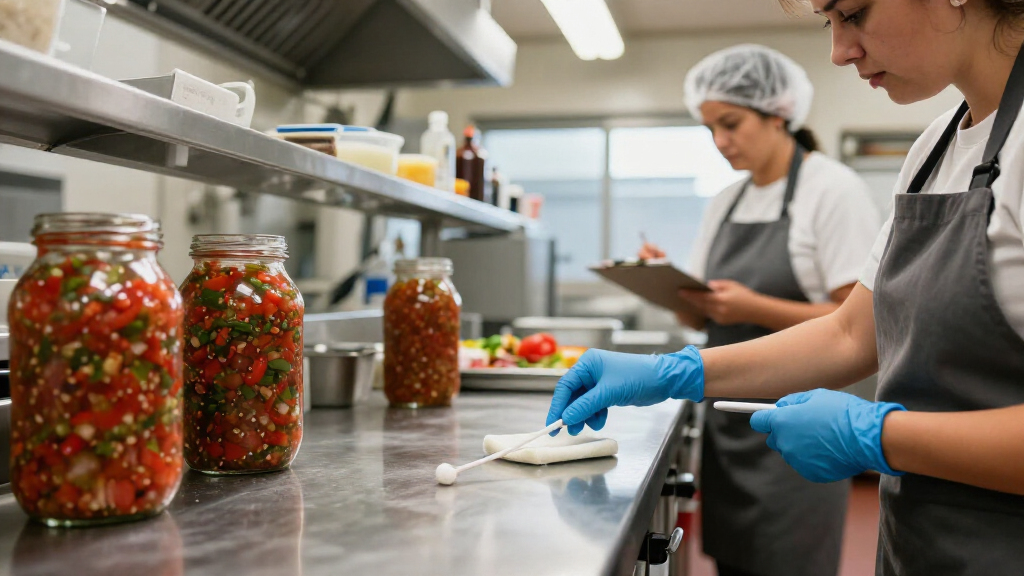
The Food and Drug Administration says it found Listeria monocytogenes on surfaces at La Cabana Food Distributing Inc., a salsa maker in Oceanside, California, and cited problems with the company’s food-safety controls. In a July 29, 2026, warning letter, the agency said the company’s ready-to-eat cooked salsa and uncooked sauce products may have been prepared, packed or held under insanitary conditions.
The FDA’s findings followed an inspection of the facility from Nov. 12 through Dec. 5, 2025. According to the warning letter as described by Food Safety News, environmental testing detected Listeria monocytogenes on several surfaces in the production facility. The report does not specify the exact surfaces, the number of positive samples or whether follow-up tests were conducted.
Inspectors also identified deficiencies involving the company’s food safety plan, supplier controls and handling of produce. The FDA determined that La Cabana’s ready-to-eat cooked salsa and uncooked sauce products were adulterated because they may have been prepared, packed or held in insanitary conditions. That determination concerns the conditions described by the agency; the report does not state that Listeria was detected in the salsa or sauce itself.
The FDA warning letter was issued on July 29, 2026, months after the inspection ended. Food Safety News reports that companies generally have 15 days to respond to FDA warning letters. The source material does not include La Cabana’s response or identify any specific corrective actions it took.
Why Facility Surface Findings Matter
A Listeria finding on food-production surfaces matters because contamination in a processing environment can present a route for the organism to reach food, particularly if cleaning, sanitation or production controls do not prevent cross-contamination. The FDA’s concern here was broader than a single environmental result: it also cited shortcomings in the food safety plan and supplier controls, along with produce-handling problems.
The products identified by the agency include ready-to-eat cooked salsa and uncooked sauce. Ready-to-eat food may be consumed without a further cooking step by the customer. The FDA’s stated adulteration finding means it considered the products potentially exposed to insanitary conditions; it does not, on the information available, establish that a finished product tested positive or that consumers became ill.
For consumers and retailers, the notice raises questions about product distribution and corrective measures, but the report does not name product lots or say that a recall occurred. The distinction is important: the agency’s findings describe facility conditions and potential product risk, while the available material does not establish the presence of Listeria in any particular item on store shelves.
Products Worth Considering
Jamie's Hive to Table Infused Honey Gift Set – Hot Lemon and Cinnamon Flavors 1,020.6 g Squeeze Bottle – 100% Natural Raw Honey
ROHER & UNGEFILTERTER HONIG Unser ungefilterter Rohhonig stammt von verantwortungsvollen Imkern, die die Gesundheit und das Wohlergehen ihrer…
As an affiliate, we earn on qualifying purchases.
Inspection and Warning Letter Timeline
The FDA inspected La Cabana’s Oceanside facility over a period of more than three weeks, from Nov. 12 to Dec. 5, 2025. The agency later issued its warning letter on July 29, 2026. Food Safety News reported the findings on Nov. 9, 2026, based on the letter.
FDA warning letters are part of the agency’s enforcement activities. Food Safety News notes that such letters may not be made public until weeks or months after they are sent, and that they are often issued after companies have had time to address problems. Public copies may also have portions redacted. The timing of this letter alone does not establish what corrective work occurred between the inspection and its issuance.
The report does not provide a detailed sampling record, the full inspection observations or the complete text of La Cabana’s response. It also does not give product names, production dates or distribution locations beyond identifying the company and its facility in Oceanside, California.
“The ready-to-eat cooked salsa and uncooked sauce products were adulterated because they may have been prepared, packed or held under insanitary conditions.”
— Food and Drug Administration, as summarized in the warning letter
Product Exposure and Response Unknowns
The available report does not say whether any salsa or sauce tested positive for Listeria, identify affected batches, or describe how much product was made or distributed during the period at issue. It also does not report a recall, a public health alert, or illnesses associated with La Cabana’s products. Those points should not be inferred from the environmental findings or the FDA’s adulteration determination.
It remains unclear which surfaces produced positive test results, whether later sampling found the organism again, and what sanitation or other corrective actions the company took. The source material also does not include La Cabana’s response to the warning letter or say whether the FDA considers the cited problems resolved.
FDA Follow-Up and Company Response
Under the procedure described by Food Safety News, a company has 15 days to respond to an FDA warning letter. The report does not specify the date La Cabana received its letter, whether it responded within that period, or whether the agency later reviewed corrective-action records or conducted a follow-up inspection.
Further information from the company or FDA could clarify the affected production period, the scope of environmental testing, sanitation measures and supplier-control changes. Until such details are available, the confirmed account remains limited to the agency’s reported facility findings and its determination that the identified products may have been made or held under insanitary conditions.
Key Questions
Where did the FDA find Listeria?
The FDA found Listeria monocytogenes on several surfaces at La Cabana Food Distributing’s production facility in Oceanside, California. The report does not identify the specific surfaces or say that finished salsa or sauce tested positive.
What products did the FDA identify?
The warning letter concerned the company’s ready-to-eat cooked salsa and uncooked sauce products. The FDA said they may have been prepared, packed or held under insanitary conditions.
Has La Cabana recalled its salsa or sauce?
The available report does not state that La Cabana issued a recall, and it does not identify affected lots or product dates. The FDA’s findings should not be treated as confirmation that a recall occurred.
Were illnesses linked to the facility?
The source material does not report any illnesses linked to La Cabana’s products. It describes environmental findings and other inspection concerns, not a confirmed outbreak.
What happens after an FDA warning letter?
Food Safety News says businesses generally have 15 days to respond. The available report does not say whether La Cabana responded or whether the FDA has verified corrective actions.
Source: foodsafetynews.com